Término del glosario: Rotación
Descripción: La rotación es el movimiento de un objeto alrededor de una línea imaginaria, denominada eje de rotación. A medida que el objeto gira, cada una de sus partes mantiene exactamente la misma distancia con respecto al eje de rotación. En general, las estrellas (incluido el Sol), los planetas, las lunas o los asteroides giran alrededor de un eje fijo. La Tierra gira alrededor de su propio eje, que es la línea recta imaginaria que pasa por los polos Norte y Sur de la Tierra. La rotación de la Tierra es la responsable de la vista cambiante del cielo nocturno que ve cualquier observador situado en la superficie terrestre, con nuevas estrellas que surgen continuamente por el horizonte oriental y se ponen por el horizonte occidental. El hecho de que el Sol parezca moverse por el cielo durante el día, saliendo por el este y poniéndose por el oeste, es también una consecuencia de la rotación de la Tierra.
Términos relacionados:
Ver este término en otros idiomas
Estado del término y la definición: La definición original de este término en inglés ha sido aprobada por unastrónomo o astrónoma investigadora y un docente La traducción de este término y su definición aún están pendientes de aprobación
El Glosario multilingüe de la OAE es un proyecto de la Oficina de Astronomía para la Educación de la UAI (OAE) en colaboración con la Oficina de Divulgación de Astronomía de la UAI (OAO). Los términos y definiciones fueron seleccionados, redactados y revisados gracias al esfuerzo colectivo de la OAE, los Centros y Nodos de la OAE, los Coordinadores Nacionales de Educación Astronómica (NAECs) y otros voluntarios. Puedes encontrar una lista completa de créditos aquí. Todos los términos del glosario y sus definiciones se publican bajo la licencia Creative Commons CC BY-4.0 y deben atribuirse a la "IAU OAE".
Si detectas algún error de contenido o de traducción en este término del glosario o en ladefinición, ponte en contacto con nosotros.
Contenidos relacionados
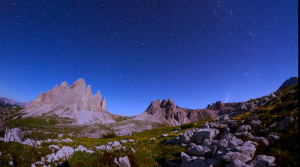
Big Dipper and Comet Neowise C2020 F3
Pie de foto: Honorable mention in the 2023 IAU OAE Astrophotography Contest, category of Time-lapses of rotation of Big Dipper or Southern Cross.
This time-lapse documents the trajectory of the iconic Big Dipper across three frames taken in July 2020. Captured from three locations in Italy, Tre Cime di Lavaredo Auronzo di Cadore, Monte Rite, Cibiana di Cadore, and Casera Razzo, Vigo di Cadore, this visual odyssey showcases the captivating journey of the Big Dipper with the addition of trails of stars painting a celestial canvas. It not only traces the path of this renowned asterism but also features the rare appearance of comet Neowise C/2020 F3, an extraordinary event that graced our skies during July 2020.
Crédito: Giorgia Hofer/IAU OAE (CC BY 4.0)
License: CC-BY-4.0 Creative Commons Reconocimiento 4.0 Internacional (CC BY 4.0) íconos
Actividades relacionadas
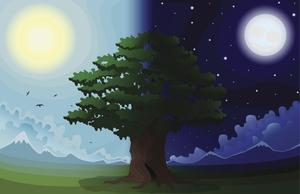
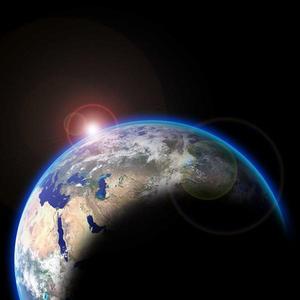
Why Do We Have Day and Night?
astroEDU educational activity (links to astroEDU website) Description: Explore day and night of Earth.
License: CC-BY-4.0 Creative Commons Reconocimiento 4.0 Internacional (CC BY 4.0) íconos
Etiquetas:
Tilt
Rango de edades:
6-8
, 8-10
, 10-12
Nivel educativo:
Primaria
, Secondary
Áreas de aprendizaje:
Modelización
, Centrado en la simulación
, Aprendizaje basado en la investigación estructurada
Costos:
Bajo coste
Duración:
1 hora y 30 minutos
Tamaño del grupo:
Grupo
Competencias:
Plantear preguntas
, Comunicar información
Day and Night in the World
astroEDU educational activity (links to astroEDU website) Description: Compare diurnal and nocturnal animals and experiment with day and night.
License: CC-BY-4.0 Creative Commons Reconocimiento 4.0 Internacional (CC BY 4.0) íconos
Etiquetas:
Life
, Model
, Animals
, Day and night
Rango de edades:
6-8
, 8-10
Nivel educativo:
Primaria
Áreas de aprendizaje:
Clase interactiva
, Modelización
, Aprendizaje basado en la investigación estructurada
Costos:
Bajo coste
Duración:
1 hora
Tamaño del grupo:
Grupo
Competencias:
Plantear preguntas
, Elaborar explicaciones
, Desarrollar y utilizar modelos
, Planificar y llevar a cabo investigaciones
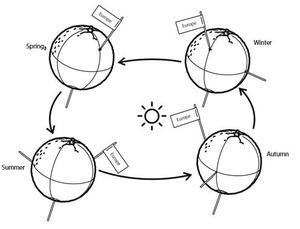
Seasons Around the World
astroEDU educational activity (links to astroEDU website) Description: Demonstrate the seasons on Earth using a model.
License: CC-BY-4.0 Creative Commons Reconocimiento 4.0 Internacional (CC BY 4.0) íconos
Etiquetas:
Hands-on
, Model
Rango de edades:
6-8
, 8-10
, 10-12
Nivel educativo:
Educación secundaria
, Primaria
Áreas de aprendizaje:
Modelización
, Aprendizaje basado en la investigación estructurada
Costos:
Coste medio
Duración:
45 minutos
Tamaño del grupo:
Grupo
Competencias:
Analizar e interpretar datos
, Plantear preguntas
, Elaborar explicaciones
, Desarrollar y utilizar modelos
, Planificar y llevar a cabo investigaciones
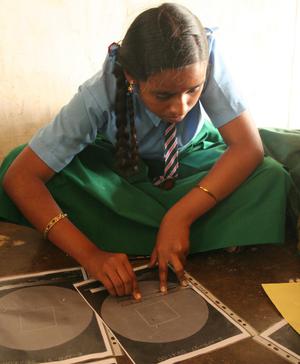
Measure the Sun's Rotation Period
astroEDU educational activity (links to astroEDU website) Description: Find out the Sun’s rotation period, applying the simple equation of average speed to a real astronomical case.
License: CC-BY-4.0 Creative Commons Reconocimiento 4.0 Internacional (CC BY 4.0) íconos
Etiquetas:
Hands-on
, History
, Experiment
, Galileo
, average speed
Rango de edades:
16-19
Nivel educativo:
Secondary
Áreas de aprendizaje:
Aprendizaje basado en la investigación estructurada
Costos:
Bajo coste
Duración:
1 hora y 30 minutos
Tamaño del grupo:
Grupo
Competencias:
Analizar e interpretar datos
, Participar en debates basados en pruebas
, Planificar y llevar a cabo investigaciones
, Utilizar las matemáticas y el pensamiento computacional
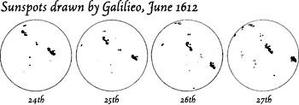
Is the Sun rotating? Follow the sunspots!
astroEDU educational activity (links to astroEDU website) Description: Like a "modern" Galileo, use true astronomical satellite observations to discover if the Sun (and other celestial objects) are rotating!
License: CC-BY-4.0 Creative Commons Reconocimiento 4.0 Internacional (CC BY 4.0) íconos
Etiquetas:
Hands-on
, History
, Experiment
, Galileo
Rango de edades:
12-14
, 14-16
, 16-19
Nivel educativo:
Educación secundaria
, Secondary
Áreas de aprendizaje:
Aprendizaje basado en la investigación estructurada
Costos:
Bajo coste
Duración:
1 hora
Tamaño del grupo:
Grupo
Competencias:
Analizar e interpretar datos
, Planificar y llevar a cabo investigaciones