Our opening session will include welcomes from our director Markus Poessel and IAU president Willy Benz. There will be keynote talks from Jocelyn Bell Burnell and Amelia Ortiz-Gil.
Loading...
Iau Oae Conference On Astronomy For Education 2026
The IAU OAE Conference on Astronomy for Education 2026 will be held from the 17th of November 2026 to the 20th of November 2026 (UTC time)


This year's IAU OAE Conference on Astronomy for Education 2026 conference picks up where the Shaw-IAU Workshops left off. This year's online workshop will include a special science focus on radio astronomy in education and an education focus on inclusive astronomy education for blind & visually impaired students, Deaf & hard of hearing students, and students with mobility issues.
This will be a fully online workshop with no in-person component.
You can download the poster for this workshop here.
Abstract submission has closed
Abstract submissions have closed
The deadline to register is the 20th of November 2026 at 20:26 (UTC time)
The sessions for the IAU OAE Conference on Astronomy for Education 2026 are listed below
Opening Session
Schedule
-
Part 1
Tuesday Nov. 17, 2026
UTC: 8 a.m. - 9:15 a.m. America/New_York: 3 a.m.- 4:15 a.m.
-
Part 2
Tuesday Nov. 17, 2026
UTC: 11:15 a.m. - 12:30 p.m. America/New_York: 6:15 a.m.- 7:30 a.m.
Chair

Markus Pössel
Astronomy Education in Practice - Primary Schools
Schedule
-
Thursday Nov. 19, 2026
UTC: 7:30 p.m. - 9 p.m. America/New_York: 2:30 p.m.- 4 p.m.
-
repeated
Friday Nov. 20, 2026
UTC: 11:30 a.m. - 1 p.m. America/New_York: 6:30 a.m.- 8 a.m.
Chair

Eduardo Monfardini Penteado
This session will explore practical approaches to astronomy education in the classroom, highlighting effective strategies and innovative teaching practices that engage students at both primary school level
Astronomy Education in Practice - Secondary Schools
Schedule
-
Wednesday Nov. 18, 2026
UTC: 7:30 p.m. - 9 p.m. America/New_York: 2:30 p.m.- 4 p.m.
-
repeated
Thursday Nov. 19, 2026
UTC: 9:30 a.m. - 11 a.m. America/New_York: 4:30 a.m.- 6 a.m.
Chair
Eduardo Monfardini Penteado
This session will explore practical approaches to astronomy education in the classroom, highlighting effective strategies and innovative teaching practices that engage students at secondary level
Astronomy Education Research
Schedule
-
Part B
Tuesday Nov. 17, 2026
UTC: 8 p.m. - 9:30 p.m. America/New_York: 3 p.m.- 4:30 p.m.
-
Part B - repeated
Wednesday Nov. 18, 2026
UTC: 2 p.m. - 3:30 p.m. America/New_York: 9 a.m.- 10:30 a.m.
-
Part A
Wednesday Nov. 18, 2026
UTC: 7:30 p.m. - 9 p.m. America/New_York: 2:30 p.m.- 4 p.m.
-
Part A - repeated
Thursday Nov. 19, 2026
UTC: 11:30 a.m. - 1 p.m. America/New_York: 6:30 a.m.- 8 a.m.
Chair
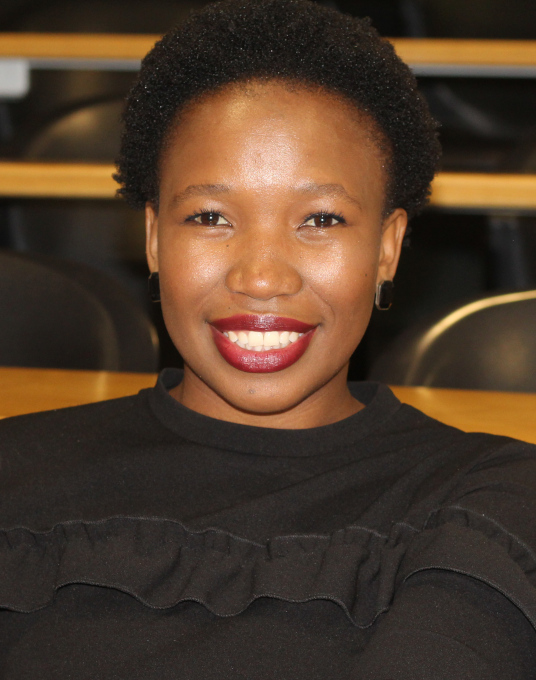
Tshiamiso Makwela
This session will explore recent developments and findings in astronomy education research, examining methodologies, assessment techniques, and the impact of various educational interventions on learners and educators.
Education focus - Inclusive Astronomy
Schedule
-
Part B
Tuesday Nov. 17, 2026
UTC: 9:15 a.m. - 10:45 a.m. America/New_York: 4:15 a.m.- 5:45 a.m.
-
Part B - repeated
Tuesday Nov. 17, 2026
UTC: 2:30 p.m. - 4 p.m. America/New_York: 9:30 a.m.- 11 a.m.
-
Part A
Wednesday Nov. 18, 2026
UTC: 9:30 a.m. - 11 a.m. America/New_York: 4:30 a.m.- 6 a.m.
-
Part C
Wednesday Nov. 18, 2026
UTC: 3:30 p.m. - 5 p.m. America/New_York: 10:30 a.m.- noon
-
Part A - repeated
Thursday Nov. 19, 2026
UTC: 1 p.m. - 2:30 p.m. America/New_York: 8 a.m.- 9:30 a.m.
-
Part C - repeated
Friday Nov. 20, 2026
UTC: 8 a.m. - 9:30 a.m. America/New_York: 3 a.m.- 4:30 a.m.
Chair

Nicolas Bonne
This session will focus on inclusive astronomy education through Universal Design principles, featuring three sub-sessions on supporting blind and partially sighted, deaf, and neurodiverse communities. It will highlight best practices for working with these groups while providing a space to share resources and expertise.
Science focus - Radio Astronomy
Schedule
-
Part C
Tuesday Nov. 17, 2026
UTC: 1 p.m. - 2:30 p.m. America/New_York: 8 a.m.- 9:30 a.m.
-
Part A
Tuesday Nov. 17, 2026
UTC: 6:30 p.m. - 8 p.m. America/New_York: 1:30 p.m.- 3 p.m.
-
Part B
Wednesday Nov. 18, 2026
UTC: 8 a.m. - 9:30 a.m. America/New_York: 3 a.m.- 4:30 a.m.
-
Part A - repeated
Thursday Nov. 19, 2026
UTC: 8 a.m. - 9:30 a.m. America/New_York: 3 a.m.- 4:30 a.m.
-
Part B - repeated
Thursday Nov. 19, 2026
UTC: 6 p.m. - 7:30 p.m. America/New_York: 1 p.m.- 2:30 p.m.
-
Part C - repeated
Friday Nov. 20, 2026
UTC: 9:30 a.m. - 11 a.m. America/New_York: 4:30 a.m.- 6 a.m.
Chair

Samantha Brown-Sevilla
This session will explore the future of radio astronomy — from next-generation facilities and the challenges of the big data era, to key research areas including pulsars, transients, fast radio bursts, all-sky surveys, and galaxy studies. It will also cover how ongoing programs and citizen science initiatives are opening new opportunities to bring these developments into educational settings.
Teaching Methods and Tools
Schedule
-
Part A
Tuesday Nov. 17, 2026
UTC: 8 p.m. - 9:30 p.m. America/New_York: 3 p.m.- 4:30 p.m.
-
Part A - repeated
Wednesday Nov. 18, 2026
UTC: 2 p.m. - 3:30 p.m. America/New_York: 9 a.m.- 10:30 a.m.
-
Part B
Thursday Nov. 19, 2026
UTC: 9:30 a.m. - 11 a.m. America/New_York: 4:30 a.m.- 6 a.m.
-
CosmoGuesser: An Inquiry-Based Puzzle Board Game for Astronomy Education
-
Zahra Tavakoli Garmaseh
-
CosmoGuesser: An Inquiry-Based Puzzle Board Game for Astronomy Education
-
Zahra Tavakoli Garmaseh
-
Part B - repeated
Friday Nov. 20, 2026
UTC: 1 p.m. - 2:30 p.m. America/New_York: 8 a.m.- 9:30 a.m.
-
CosmoGuesser: An Inquiry-Based Puzzle Board Game for Astronomy Education
-
Zahra Tavakoli Garmaseh
-
CosmoGuesser: An Inquiry-Based Puzzle Board Game for Astronomy Education
-
Zahra Tavakoli Garmaseh
Chair
Niall Deacon
This session will focus on the many innovative ways astronomy is being taught, with practical tips on how to implement them.
Amharic Language Community Meeting
Schedule
Chair
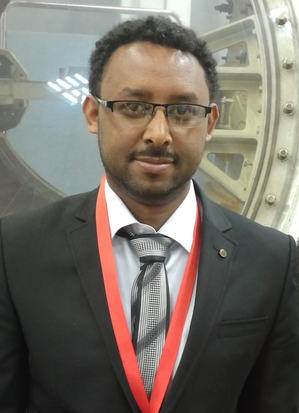
Nebiyu Suleyman Mohammed
Advancing Astronomy Education in Ethiopia through Curriculum Integration, Local Languages, and Inclusive Outreach Astronomy serves as a powerful catalyst for strengthening STEM education by fostering curiosity, critical thinking, scientific inquiry, and problem-solving skills. In Ethiopia, however, astronomy remains largely absent from the formal curricula of primary and secondary schools despite its immense educational value. This paper proposes a national framework for integrating astronomy into Ethiopia's education system by embedding age-appropriate astronomical concepts within existing mathematics, physics, chemistry, geography, and general science textbooks rather than introducing it as a standalone subject. Examples include using celestial motions to teach geometry, trigonometry, and measurement; planetary data to strengthen statistics and data analysis; and astronomical phenomena to explain fundamental scientific concepts. The framework also advocates for the translation of astronomy educational resources into Ethiopia's local languages to improve accessibility, inclusivity, and student engagement. Developing culturally relevant learning materials that combine modern astronomy with indigenous Ethiopian astronomical knowledge will enable learners to connect scientific concepts with their local heritage while supporting multilingual education.
Arabic Language Community Meeting
Schedule
Chair
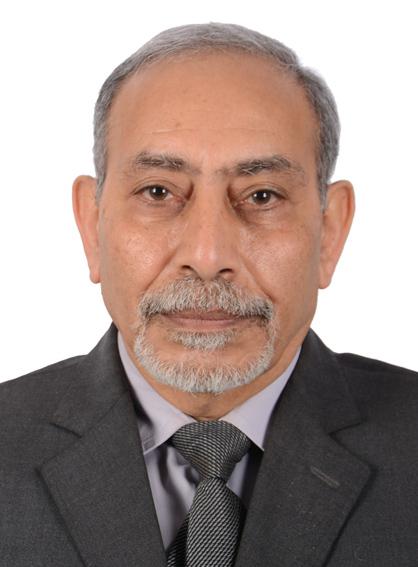
Abd El Fady Morcos
Somaya Saad
The annual Astronomy Education Conference provides a valuable opportunity for communities sharing a common culture and language to meet and connect. This session, dedicated to Arabic speakers, aims to explore and discuss a variety of topics related to astronomy and space science (awareness, education, and development) within our Arabic societies. We will emphasize the importance of astronomy and space education and its role in fostering fundamental concepts and skills in science and technology. This will be achieved by discussing the impact of astronomy education on awareness within our communities, particularly in light of limited resources. Furthermore, we will present and share a diverse of astronomical projects, tools, and resources that contribute positively to the development of Arab societies, with the goal of strengthening collaboration among Arab national coordinators. It will be highly beneficial to showcase successful educational projects and initiatives from national education centers in their respective countries and to identify projects that can be shared and implemented in resource-limited regions. This session will be organized by the OAE-Egypt Education Center and will bring together Arab National Education Coordinators (NAECs) as well as other stakeholders in education across the Arab world.
Croatian Language Community Meeting
Schedule
Chair

Danijela Takač
This regional session will bring together astronomy educators, scientists, teachers, science communicators, NGO members and National Astronomy Education Coordinator (NAEC) representatives from Croatia, Bosnia and Herzegovina, Serbia and Sloveni(not yet confirmed)a. These neighbouring countries share similar educational contexts, closely related languages and many common challenges in promoting astronomy and strengthening its place in formal and non-formal education. The first part of the session will feature short country presentations highlighting national initiatives, examples of good practice, educational projects, school activities, public outreach events and the work of NAEC teams and civil society organisations. By presenting diverse approaches from across the region, the session will provide participants with practical ideas and increase the visibility of successful local and national activities. The second part will take the form of a regional round-table discussion focused on opportunities for cooperation among countries, institutions and organisations. Participants will explore possibilities for exchanging educational resources and expertise, developing joint regional activities and campaigns, and addressing shared challenges in astronomy education and popularisation. Conducted in a mutually understandable regional language, the session aims to encourage open and inclusive participation. Its main objectives are to strengthen professional connections, facilitate the exchange of knowledge and inspiring practices, and establish a foundation for sustainable regional collaboration in astronomy education and public outreach. Keywords: astronomy education, science outreach, regional collaboration, NAEC, Western Balkans, good practices
Hebrew Language Community Meeting
Schedule
Chair
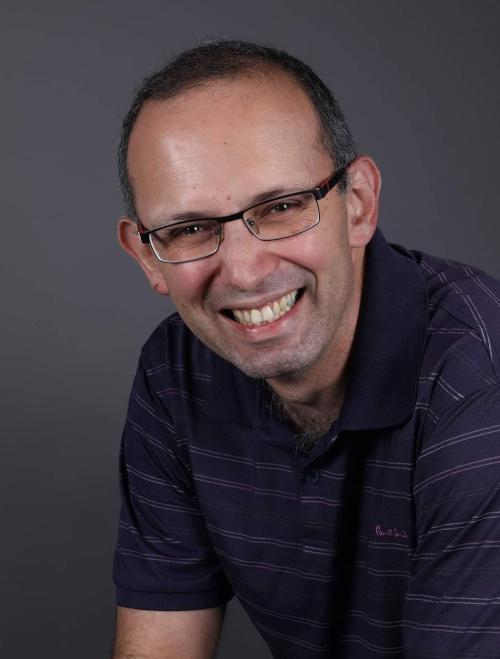
Victor Bar

Nir Dubrovsky

Osnat Eldar

Majd Thabit
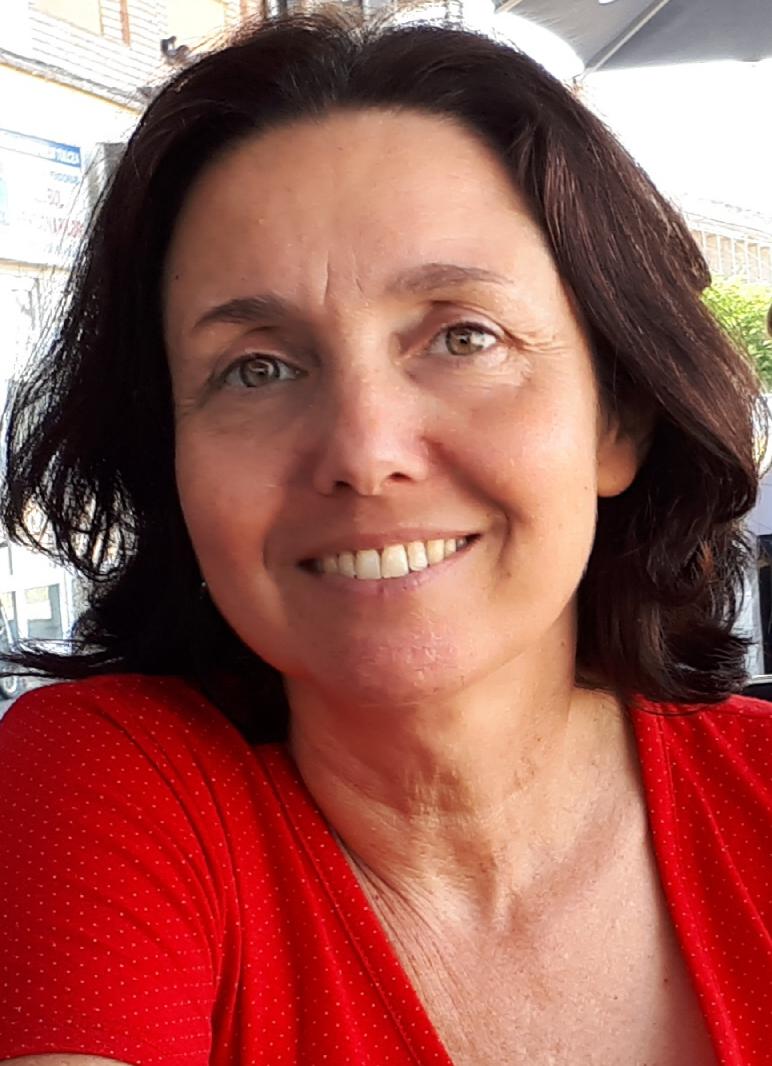
Ayelet Weizman
In this special session we invite all Hebrew speaking people to participate in an open discussion about Space Education in Israel. The panel will include the Israeli NAEC team members, and everyone interested is welcome to join, ask questions, raise issues, and describe their experience in the field of space education. The outcome of the session will be a summary of successes and challenges, and action items for the next year.
Portuguese Language Community Meeting
Schedule
Chair
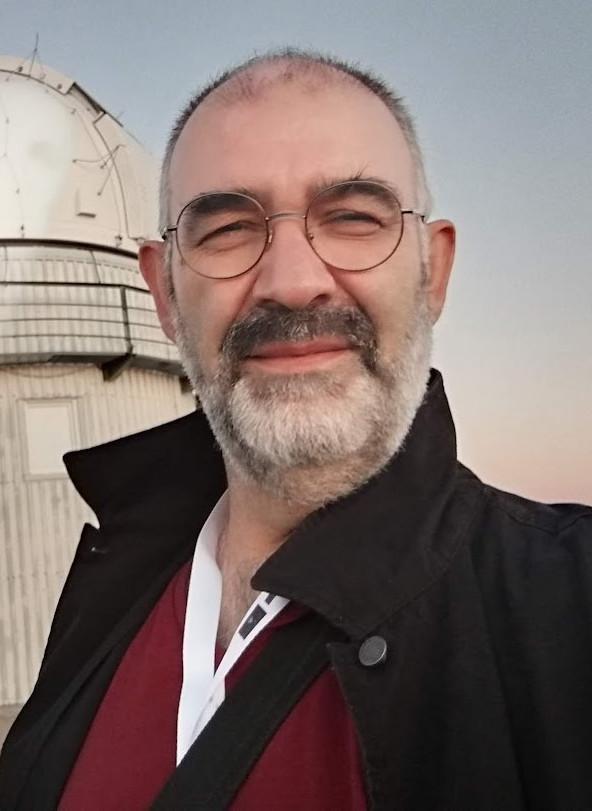
Alvaro Folhas
Astronomy education has increasingly established itself as a field with significant potential to promote scientific literacy, critical thinking, and interdisciplinary approaches to science education. Across Portuguese-speaking countries, despite the diversity of educational, cultural, and socioeconomic contexts, there are shared challenges and opportunities that justify the creation of spaces for dialogue and cooperation among researchers, educators, teacher trainers, and institutions. In this context, the Portuguese-Language Session of the IAU OAE Conference on Astronomy for Education 2026 has been conceived as a forum bringing together Portuguese-speaking communities engaged in astronomy education. By gathering participants from different countries, the session will promote the exchange of experiences, encourage reflection on the main challenges faced within each national context, and identify opportunities for collaboration that can strengthen science education in the Portuguese language. The presentations will address topics such as the integration of astronomy into school curricula, initial and continuing teacher education, the development and adaptation of educational resources, science communication and outreach, the promotion of equitable access to science education, and the role of astronomy as a powerful context for interdisciplinary teaching and learning. The diversity of perspectives will highlight the richness of initiatives developed across the Lusophone world, while also revealing shared challenges and collaborative approaches.
South American Regional Meeting
Schedule
Chair
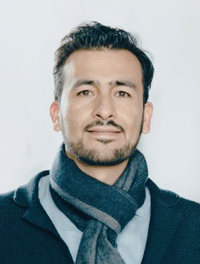
Santiago Vargas Dominguez
This session is proposed as a regional meeting aimed at giving continuity to the articulation process among the NAECs of South America, initiated within the framework of the 2025 South American Shaw–OAE IAU Regional Meeting. Its central purpose is to move from the regional memory already constructed towards a common working agenda, articulated around three moments: the presentation of the compilation of the work carried out in 2025, a balance of the achievements reached by each country during 2026, and the definition of a shared route of goals for 2027.
Turkic Language Community Meeting
Schedule
Chair

Aynura Hasanova
Astronomy in the Classroom: Teaching Experiences from Turkic-Speaking Communities This regional session will bring together astronomy educators and education professionals from Turkic-speaking countries. Presenters will showcase astronomy topics through video recordings of real classroom lessons conducted in schools or universities. This approach will allow participants to observe students’ engagement, reactions, and participation during the learning process. English subtitles will be provided where necessary. The first part of the session will be dedicated to the presentation of the recorded lessons. In the second part, presenters will engage in an interactive discussion on the challenges they encounter in teaching astronomy, the topics that generate the greatest interest among students, and the teaching methods they have found most effective. Questions from session participants will also be welcomed and discussed. The session will be conducted primarily in Azerbaijani, with English interpretation provided when necessary to ensure accessibility for the international audience.
AstroEDU
Schedule
-
Tuesday Nov. 17, 2026
UTC: 4:30 p.m. - 6:30 p.m. America/New_York: 11:30 a.m.- 1:30 p.m.
-
Wednesday Nov. 18, 2026
UTC: 11:30 a.m. - 1:30 p.m. America/New_York: 6:30 a.m.- 8:30 a.m.
Chair

Federica Duras
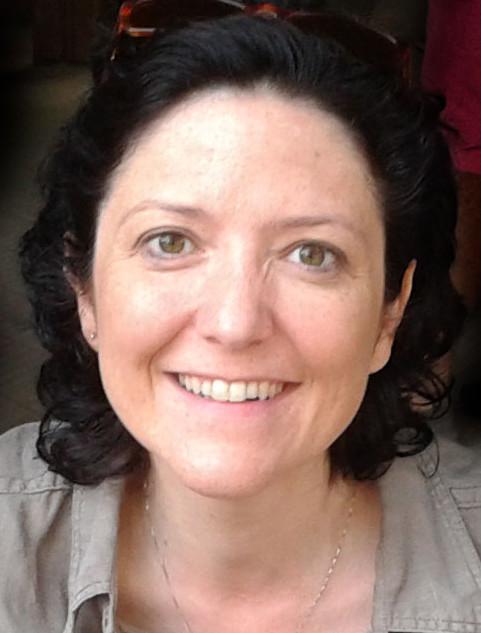
Livia Giacomini
AstroEDU in your classroom AstroEDU, the open-access platform by the OAE, offers educators a monthly opportunity to discover new, peer-reviewed, high-quality educational activities in the fields of astronomy, Earth sciences, and space science. AstroEDU already hosts a wide range of activities for different age groups and across various scientific topics, with particular attention to activities designed to be accessible and inclusive, thanks to the collaboration with the CAP Inclusive Astronomy Communication Focus Group of the OAO and the JEDI (Justice, Equity, Diversity and Inclusion) Working Group of the OAE. The platform is also testing new technologies, such as an A.I. Assistant (currently under evaluation), which will be introduced to improve the user experience and help users search for the resources they need. In this workshop, we will provide an overview of the activities published to date and offer insights into how to find the right activity for your classroom. During the second part, participants will be guided through an interactive process of reviewing an activity for publication, going through specific case studies. In the workshop we will also analyse selected AstroEDU activities with the participants, to highlight and improve their accessibility for diverse users. This workshop is designed to introduce AstroEDU to both teachers and researchers involved in education, providing a comprehensive understanding of how to use—and create—high-quality educational resources that can benefit educators worldwide. With the participation of: Cesare Pagano
Poster Flash Talks
Townhall Meeting
Closing Session
Header Image Credit: NASA/Karen Nyberg; Header Image License: Public Domain icons
The Office of Astronomy for Education is hosted by the Haus der Astronomie on the campus of the Max Planck Institute for Astronomy in Heidelberg. The Office of Astronomy for Education is an office of the International Astronomical Union, with substantial funding from the Klaus Tschira Foundation and the Carl Zeiss Foundation. The Shaw-IAU Workshops on Astronomy for Education are funded by the Shaw Prize Foundation.





