Astronomy Education Research
Parallel Session
7th Shaw-IAU Workshop on Astronomy for Education
Session timeblocks
Tuesday Nov. 18, 2025
Part A:
UTC: 9 a.m. -
10:30 a.m.
America/New_York:
4 a.m.-
5:30 a.m.
Part B:
UTC: 8 p.m. -
9:30 p.m.
America/New_York:
3 p.m.-
4:30 p.m.
Wednesday Nov. 19, 2025
Part B - repeated:
UTC: 10 a.m. -
11:30 a.m.
America/New_York:
5 a.m.-
6:30 a.m.
Thursday Nov. 20, 2025
Part A - repeated:
UTC: 6 p.m. -
7:30 p.m.
America/New_York:
1 p.m.-
2:30 p.m.
Chair
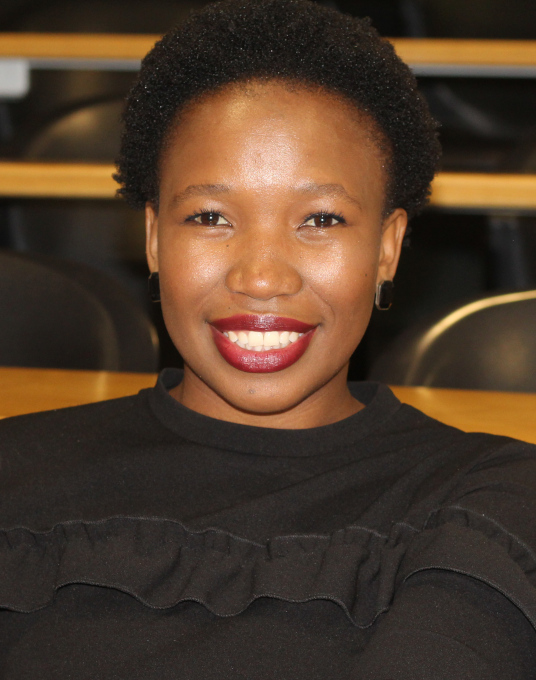
Tshiamiso Makwela
Share on:


This session will explore recent developments and findings in astronomy education research, examining methodologies, assessment techniques, and the impact of various educational interventions on learners and educators.
Schedule
-
How to write a successful Astronomy Education Research abstract
Tuesday Nov. 18, 2025
UTC: 9 a.m. - 9:05 a.m. America/New_York: 4 a.m.- 4:05 a.m.Thursday Nov. 20, 2025
UTC: 6 p.m. - 6:05 p.m. America/New_York: 1 p.m.- 1:05 p.m.How to write a successful Astronomy Education Research abstract.

Julia Plummer (College of Education, Pennsylvania State University)
For more information about this talk click here
-
Observations of the sky as family and community practices: insights from naturalistic research
Tuesday Nov. 18, 2025
UTC: 9:05 a.m. - 9:35 a.m. America/New_York: 4:05 a.m.- 4:35 a.m.Thursday Nov. 20, 2025
UTC: 6:05 p.m. - 6:35 p.m. America/New_York: 1:05 p.m.- 1:35 p.m.Observations of the sky are very popular activities of astronomy education and communication, reaching thousands of people all over the world. In these activities, guides (professional and amateur astronomers, educators and science communicators) show the sky to all types of audiences. These informal observations are many times the first contact people have with astronomy and the astronomy community, but there is a lack of research systematically analysing them. In response, a study to characterize observation of the sky was conducted. Data were collected in different institutions and from different events in Portugal. Observations with the public were recorded with minimal disturbance for the participants. In total, 15 hours of video and audio recordings were analysed using ethnomethodological conversation analysis, a naturalistic approach that is sensitive to interactional practices that occur in these activities. The detailed study of real-events of observation of the sky with the public provided evidence about the structure and content of these activities, the role of participants and the way observations unfold, moment-by-moment. In this talk I will focus on the interactions involving families and groups and reflect on the role these activities can have as family and community learning practices.
Joana B. V. Marques (Institute of Astrophysics and Space Sciences, University of Coimbra)
For more information about this talk click here
-
Exploring the impact of scale comprehension on students’ explanations for astronomical phenomena
Tuesday Nov. 18, 2025
UTC: 9:35 a.m. - 9:50 a.m. America/New_York: 4:35 a.m.- 4:50 a.m.Thursday Nov. 20, 2025
UTC: 6:35 p.m. - 6:50 p.m. America/New_York: 1:35 p.m.- 1:50 p.m.We interviewed 25 high school students about three observable astronomical phenomena: the apparent sizes of the Moon and the Sun, solar eclipses and Moon phases. A personal to-scale model of the Earth-Moon-Sun system was provided for every student. Students were repetitively encouraged to illustrate their reasoning on all phenomena by using the scale model or by providing a drawing. We encountered several alternative explanations that were not found in the existing literature. Most of these relied on an inaccurate comprehension of the involved scales. Although for some students these explanations were in line with their skewed scale model on the interview table, others did not seem to take spatial scales into account when making suggestions on the causes for astronomical phenomena.
Willem Keppens (KU Leuven, Department of Physics and Astronomy)
For more information about this talk click here
-
Students' understanding of the changing seasons
Tuesday Nov. 18, 2025
UTC: 9:50 a.m. - 10:05 a.m. America/New_York: 4:50 a.m.- 5:05 a.m.Thursday Nov. 20, 2025
UTC: 6:50 p.m. - 7:05 p.m. America/New_York: 1:50 p.m.- 2:05 p.m.Seasonal changes are part of students' everyday experience, but understanding the causes of seasonal changes is very demanding and counterintuitive for students. The use of visualizations in teaching is increasingly present and the ability to interpret them is taken for granted, but the complexity of visualizations often exceeds the students' reasoning abilities. This study includes in its methodology the measurement of attention by tracking eye movements and aims to investigate students' understanding of seasonal changes and compare the relationship in understanding with respect to the presented visual representations. Data were collected through methodological triangulation with a combination of mixed research methods.

Elizabeta Šimunović (Faculty of science, University of Split, Split, Croatia)
For more information about this talk click here
-
Launching Learning: Exploring the Impact of Space Experiments in Science Classrooms
Tuesday Nov. 18, 2025
UTC: 10:05 a.m. - 10:15 a.m. America/New_York: 5:05 a.m.- 5:15 a.m.Thursday Nov. 20, 2025
UTC: 7:05 p.m. - 7:15 p.m. America/New_York: 2:05 p.m.- 2:15 p.m.This study is the first to document how teachers integrate astronomy and space experiments into science instruction. Drawing on survey data (n=26) from experienced U.S. teachers, this research explores the astronomy resources used, perceived impact, and the barriers and opportunities of space-based learning. Preliminary findings indicate that space experiments foster interdisciplinary thinking, student engagement, and career connections. Teachers who used space experiments reported increased professional growth and fulfillment. Notable differences were observed between teachers who use space experiments and those who do not. This work begins to ground space-integrated instruction in the science education research literature.
Christine Hirst Bernhardt (NOVA SySTEMic)
For more information about this talk click here
-
Discussion Panel: Astronomy Education Research
Tuesday Nov. 18, 2025UTC: 10:15 a.m. - 10:30 a.m. America/New_York: 5:15 a.m.- 5:30 a.m.
Thursday Nov. 20, 2025
UTC: 7:15 p.m. - 7:30 p.m. America/New_York: 2:15 p.m.- 2:30 p.m.Chair:
Tshiamiso Makwela
Panel: Julia Plummer
(Pennsylvania State University), Joana B. V. Marques
(Instituto de Astrofísica e Ciências do Espaço, University of Coimbra, Coimbra, Portugal), Willem Keppens
(KU Leuven), Elizabeta Šimunović
(Faculty of science, University of Split, Split, Croatia), Christine Hirst Bernhardt
(University of Maryland) -
How to write a successful Astronomy Education Research abstract
Tuesday Nov. 18, 2025
UTC: 8 p.m. - 8:05 p.m. America/New_York: 3 p.m.- 3:05 p.m.Wednesday Nov. 19, 2025
UTC: 10 a.m. - 10:05 a.m. America/New_York: 5 a.m.- 5:05 a.m.How to write a successful Astronomy Education Research abstract.
Julia Plummer (College of Education, Pennsylvania State University)
For more information about this talk click here
-
Impact of Personalized Narrative on Children’s Engagement with Light Pollution Planetarium Shows
Tuesday Nov. 18, 2025
UTC: 8:05 p.m. - 8:25 p.m. America/New_York: 3:05 p.m.- 3:25 p.m.Wednesday Nov. 19, 2025
UTC: 10:05 a.m. - 10:25 a.m. America/New_York: 5:05 a.m.- 5:25 a.m.Artificial Light at Night (ALAN) acts as a pervasive form of pollution yet often goes unnoticed by the general public. In an effort to determine how to increase children’s interest in reducing ALAN, we presented one of two planetarium shows to 52 families. Show A was designed with local narrative and interactive elements; Show B presented the same content without the personalized narrative elements. Analysis of pre/post surveys indicates children from both groups showed a significant increase in awareness of ALAN and motivation to make changes to reduce light pollution. Some measures suggested greater improvement from children in Show A, but those differences were not significant. Findings indicate planetarium education improves children’s investment in and concern for the issue.
Elise Abbott (The Pennsylvania State University)
For more information about this talk click here
-
Open-Ended Interaction for Conveying Complex Topics in the Planetarium
Tuesday Nov. 18, 2025
UTC: 8:25 p.m. - 8:40 p.m. America/New_York: 3:25 p.m.- 3:40 p.m.Wednesday Nov. 19, 2025
UTC: 10:25 a.m. - 10:40 a.m. America/New_York: 5:25 a.m.- 5:40 a.m.Planetarium domes offer unique opportunities for visualizing complex astronomical phenomena, yet the lack of interactive teaching approaches may hinder student engagement and limit the dome's educational potential. We developed and evaluated an interactive approach for the dome environment to communicate the uncertain nature of science. The design-based research (N=343) yielded a presentation that was interactive through didactical techniques (e.g., think-pair-share) and by tracking off-the-shelf laser pointers that allowed participants to draw on the dome, which significantly improved the audience's engagement over to a standard live planetarium lecture. We discuss insights from the development and highlight design considerations for implementing interactivity in domes.

Jakub Stepanovic (KU Leuven; LUCA School of Arts)
For more information about this talk click here
-
Unraveling students' mental models of the apparent motion of the Sun
Tuesday Nov. 18, 2025
UTC: 8:40 p.m. - 8:55 p.m. America/New_York: 3:40 p.m.- 3:55 p.m.Wednesday Nov. 19, 2025
UTC: 10:40 a.m. - 10:55 a.m. America/New_York: 5:40 a.m.- 5:55 a.m.In this study, 22 individual task-based think-aloud interviews were conducted to explore (1) the mental models 16–18-year-old students develop regarding the apparent motion of the Sun, and (2) how these models are constructed, expressed and used in reasoning. Students’ verbal and non-verbal expressions—gestures, drawings, and manipulation of materials—were considered as expressed mental models, which in turn reflect their knowledge structures. Firstly, we examined whether students’ mental models include the essential elements, characteristics, and connections to be considered canonical. Secondly, we explored which resources students use to construct and express their mental models, how these resources are applied, and whether mental models are used coherently and consistently.
Rebecca Raskin (KU Leuven & LESEC)
For more information about this talk click here
-
A Refutation Video to Teach Seasons
Tuesday Nov. 18, 2025
UTC: 8:55 p.m. - 9:10 p.m. America/New_York: 3:55 p.m.- 4:10 p.m.Wednesday Nov. 19, 2025
UTC: 10:55 a.m. - 11:10 a.m. America/New_York: 5:55 a.m.- 6:10 a.m.Refutation texts are texts that start with an explicit common misconception, followed by a refutation cue and an explanation based on the currently accepted scientific view. These texts have been shown to promote conceptual change in several domains of science teaching, including astronomy. But refutation texts about the seasons have had limited results. We think that the highly dynamic and 3D nature of this phenomena is not well served by a simple refutation text, even coupled with standard textbook-like illustrations. We propose that using a refutation video showing a dynamic, allocentric point of view on the Earth-Sun system, and addressing the two most common misconceptions about the seasons, might prove better at tackling misconceptions and foster learning.

Pierre Chastenay (Université du Québec à Montréal)
For more information about this talk click here
-
Discussion Panel: Astronomy Education Research
Chair:
Tshiamiso Makwela
Panel: Elise Abbott
(The Pennsylvania State University), Pierre Chastenay
(Université du Québec à Montréal), Jakub Stepanovic
(KU Leuven; LUCA School of Arts), Rebecca Raskin
(KU Leuven & LESEC)
Posters
-
An Evaluation of the Quality of Astronomy Content in the General Education Curriculum
Banzragch Bat-Erdene (Space Research Center, Institute of Astronomy and Geophysics)
Modern astronomy is rapidly advancing and interlinked with fields of natural and technology such as physics, math, engineering, and space science. It draws growing interest from both scientists and the public. In Mongolia, public engagement with astronomy began in 2014 through the Astropark, established by Mongolian first cosmonaut J. Gurragchaa. The Astropark promotes scientific knowledge and future trends in astronomy, influencing general education. As demand for science knowledge rises, planetariums have become key educational tools, offering immersive experiences that develop curiosity, deepen understanding, and support STEM learning in dynamic, multifunctional environments.
-
Astronomical Concepts in Mind: A Psycholinguistic Perspective on Astronomy Learning and Teaching
Saeed Jafari
Languages possess unique features for representing scientific concepts, and these concepts are expressed and understood differently across various languages. Using a psycholinguistic approach, teachers and researchers can assess the interplay between mental representations and linguistic expression in both formal and informal educational settings. I will highlight the importance of metaphor, analogical reasoning, and linguistic precision in enhancing conceptual grasp. For instance, the use of metaphors like "stellar nurseries" to describe star formation and analogies such as comparing the solar system to a classroom model helps learners grasp complex ideas. These insights contribute to developing more effective educational practices, benefiting astronomy educators and learners alike.
-
Astronomy in Primary Education: A Teacher Training Project
Lara Rodrigues (Universidad Metropolitana de Ciencias de la Educación (UMCE))
This talk presents the initial results of a project that aims to develop, implement, and research an astronomy teacher training program (TTP) for primary education focused on Sun-Earth-Moon related topics in Chile. The TTP started in May 2025 with 16 participants, after a pilot summer workshop with 8 teachers to test the activities and research instruments. The program has a hybrid format, with six in-person sessions distributed over 6 months and intercalated with virtual assignments and school implementation tasks. Teachers' content knowledge and attitudes towards astronomy are evaluated at the beginning and end of the TTP. Entrance and exit tickets for each in-person session and the responses to virtual assignments are also analyzed.
-
Beyond medals: tracing the impact of the astronomy olympiads in Uruguay
Silvia Martino (Departamento de Astronomía, Facultad de Ciencias, UDELAR & Planetario de Montevideo)
Since 2008, Uruguay has organized the national astronomy olympiad, an annual extracurricular competition aimed at high school students across the country. Since 2009, Uruguay has also participated in the Latin American Astronomy and Astronautics Olympiad (OLAA), selecting its delegations based on performance in the national event. This contribution presents an ongoing study that combines a historical analysis of participation and performance data with a survey conducted among former participants. The aim is to evaluate the long-term educational and motivational impact of the olympiad experience, particularly in relation to sustained interest in astronomy and science in general.
-
Challenges and Perspectives in Astronomy Education in Croatian Schools: A Teacher-Based Study
Nikolina Bobić
Despite Croatia’s rich tradition in astronomy, the education system struggles due to a lack of qualified STEM teachers, affecting the quality of astronomy teaching. Experts suggest integrating science subjects as a possible solution. This paper compares the English and Croatian science curricula and examines how astronomy is taught in neighboring countries. Interviews with 13 astronomy teachers in Croatia reveal common challenges: demanding content, low student interest, teacher overload, outdated materials, lack of resources and institutional support, and limited training. Astronomy is often offered only as an extracurricular activity, further limiting its reach. Systemic reform is urgently needed.
-
Decoding the Cosmos: Exploring Epistemic Messaging in Astronomy Lessons Through Teacher Expertise
Christine Hirst Bernhardt (NOVA SySTEMic)
This study explores how science teachers in the U.S. and Australia—two countries with comparable educational standards—interpret the epistemic messages of astronomy lessons. Through interviews and classroom observations, we examine how teachers identify and adapt epistemic messages within astronomy-based lessons and how they adapt messages towards student learning outcomes. Data will guide a framework for teacher-driven and informed development of high-quality instructional materials in astronomy. Findings will explicate how teachers perceive and reshape the implicit and explicit epistemic messaging of astronomy resources, and how those changes affect student uptake of scientific and astronomical ideas.
-
Einsteinian gravitational concepts throughout secondary school
Corey McInerney (University of Lincoln)
This study involved students from Years 7–13 at an English secondary school in an intervention introducing gravity through spacetime curvature. The goal was to evaluate the feasibility of teaching relativity at the secondary level. All students showed some grasp of the concept, with visual aids helping Years 7–8. Years 9–13 understood ideas beyond the demonstrations, but a deeper understanding of curvature as gravity’s source emerged only in Years 12–13. Year 13 students showed the strongest overall grasp of the concepts introduced.
-
Enhancing Astronomy Education in India: Teaching Galaxies with Authentic Data
Shreesham Pandey (Department of Physics, Kirori Mal College, University of Delhi, Delhi 110007, India)
Astronomy education in India, despite its historical roots, is underrepresented in primary and secondary curricula. This poster presents research on integrating authentic astronomical data, such as from the Sloan Digital Sky Survey, to teach galaxy concepts, enhancing student engagement and analytical skills. A 2024 survey shows 85.9% of students are enthusiastic about astronomy, yet only 26% have telescope access. Initiatives like SPACE India’s workshops and OAE Center India’s teacher training align with the National Education Policy 2020, improving outcomes. The proposed framework leverages data-driven inquiry and cultural contextualization to address knowledge gaps.
-
Exploring Impact through ASTRO-CJUTE: Experiential Astronomy and School Community Engagement
Othman Zainon (Department of Geoinformation, Faculty of Built Environment and Surveying, Universiti Teknologi Malaysia Johor Malaysia)
This study investigates the implementation of ASTRO-CJUTE in multiple Malaysian schools and evaluates its performance using a mixed-methods approach that includes pre- and post-program surveys, focus group interviews, teacher reflections, and observational data. Key variables such as student engagement in science, comprehension of astronomical topics, collaborative learning, and community involvement were examined. The results demonstrate a considerable increase in student engagement with STEM material, enhanced teacher confidence in presenting astronomy-based classes, and a stronger feeling of community within the school.
-
Identifying Gaps and Priorities: A Needs Analysis of Astronomy Teacher Training in Türkiye.
Aysegul Yelkenci (Istanbul Kültür University)
This study reveals the analysis of a needs analysis conducted in a teacher training workshop in Türkiye via an online questionnaire completed by teachers, spanning primary to secondary education and fields such as science, physics, and classroom teaching. Results show strong demand for practical astronomy workshops (mean score 4.8), activity development (4.6), and software training. Teachers most often felt least competent in using observational tools (e.g., telescopes), developing hands-on activities, and applying astronomy software. Limited telescope access and the need for curriculum integration emerged as key challenges. Findings guide the design of targeted professional development in astronomy education.
-
Pilot study promoting equitable Astronomy literacy among schools in West Bengal, India
Sibsankar Palit (LIFE-To & Beyond Foundation)
Astronomy literacy is crucial but often missing in Indian school curricula. To address this, the International Astronomical Union (IAU) and Astronomical Society of India (ASI) developed accessible astronomy resources. In 2024, the IAU Office of Astronomy Education (OAE) launched a pilot in India for schools and NGOs to use these materials and provide feedback. The LIFE-To & Beyond Foundation (LTBF) participated, integrating resources like "Big Ideas in Astronomy" into outreach programs in West Bengal, including the Planetary Parade in Badkulla, a seminar at Krishnapur Adarsha Vidyamandir, and sessions at Newtown School, Kolkata. The study assessed student understanding, interest, and hands-on experience, revealing significant knowledge gaps and the need for targeted interventions.
-
Students’ understanding of the celestial sphere model and its representations
Judith Vandewiere (KU Leuven; Planetarium of the Royal Observatory of Belgium)
Despite educators' efforts using various representations of the celestial sphere to help students reason about the apparent motion of the Sun and stars, this concept remains challenging for students. It is hypothesised that they may not fully grasp the underlying model of the celestial sphere, including its possibilities and limitations. This study aims to explore how secondary school students (16-18 years old) understand the celestial sphere. Through a qualitative interview study, we gained insight into students’ understanding and reasoning processes. These insights will help us to study how students use the celestial sphere to reason about celestial motion and to develop educational materials that can enhance model-based reasoning in astronomy.