This page describes an image Mondphasen auf der südlichen Hemisphäre
Datei runterladen ( Bild 1.24 MB)
PDF Datei runterladen (PDF file 453.34 kB)
Auch in Schwarzweiß erhältlich
Datei runterladen ( Bild 162.53 kB)
PDF Datei runterladen (PDF file 414.86 kB)
Untertitel Diagramm:
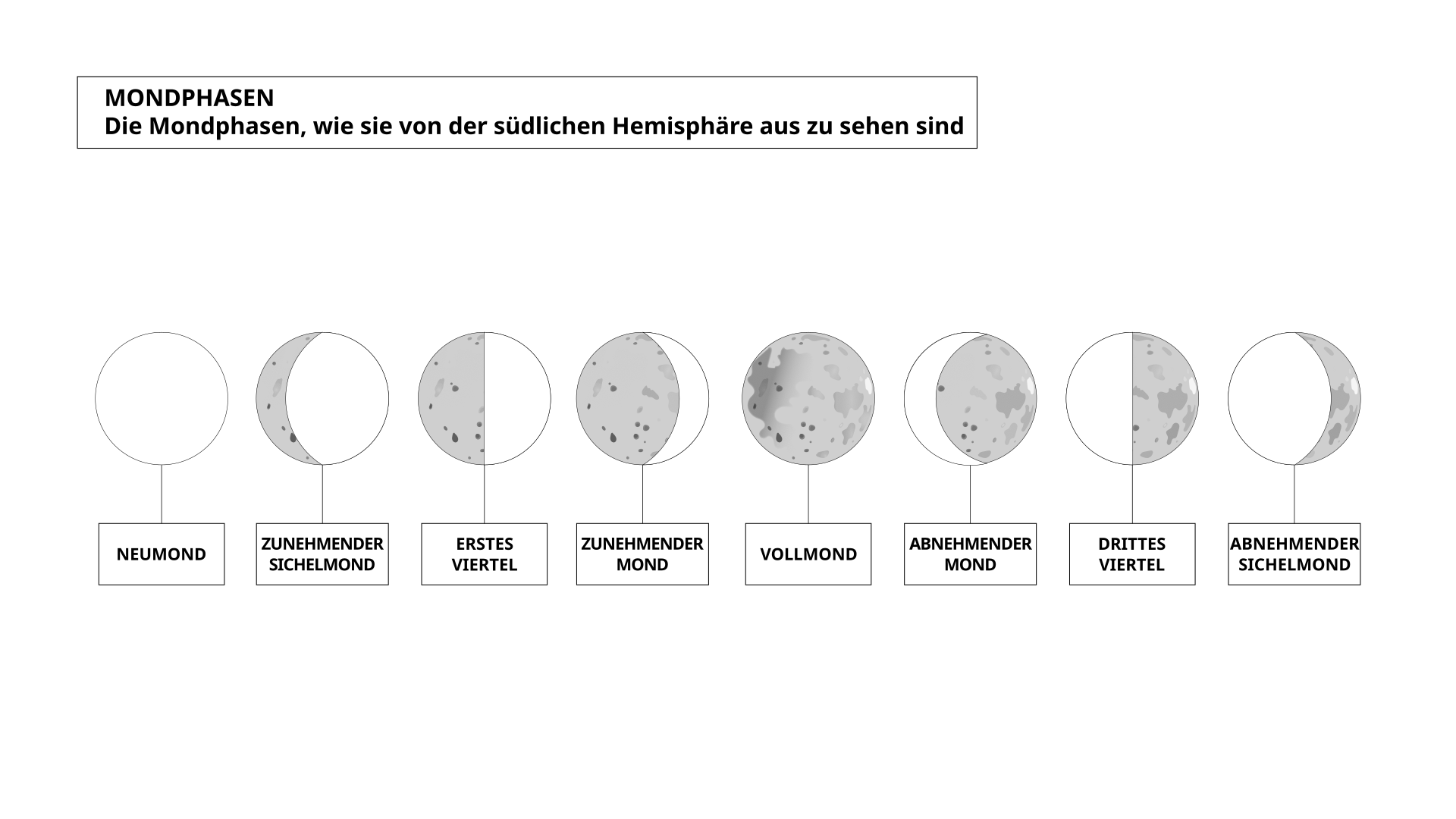
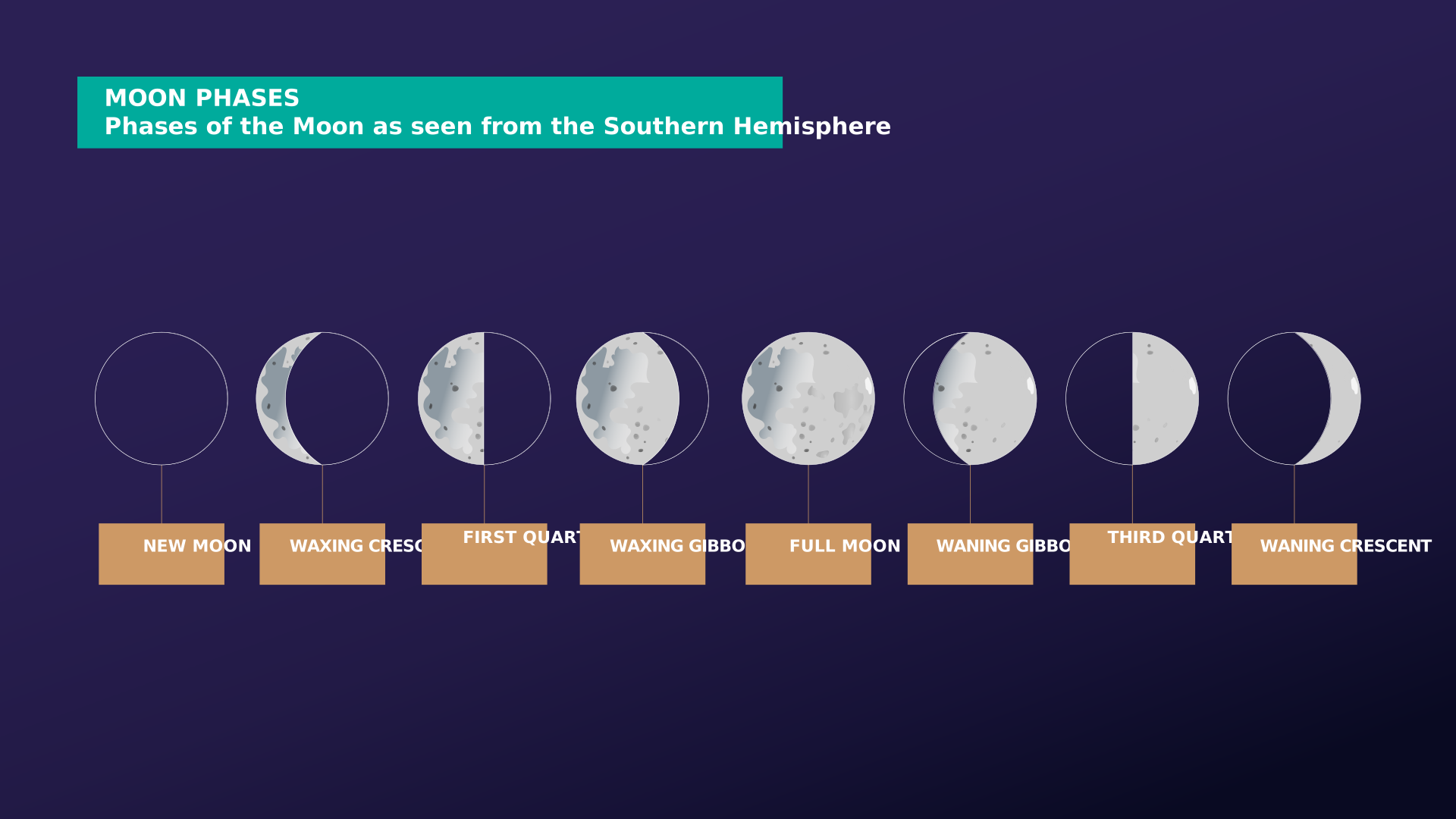
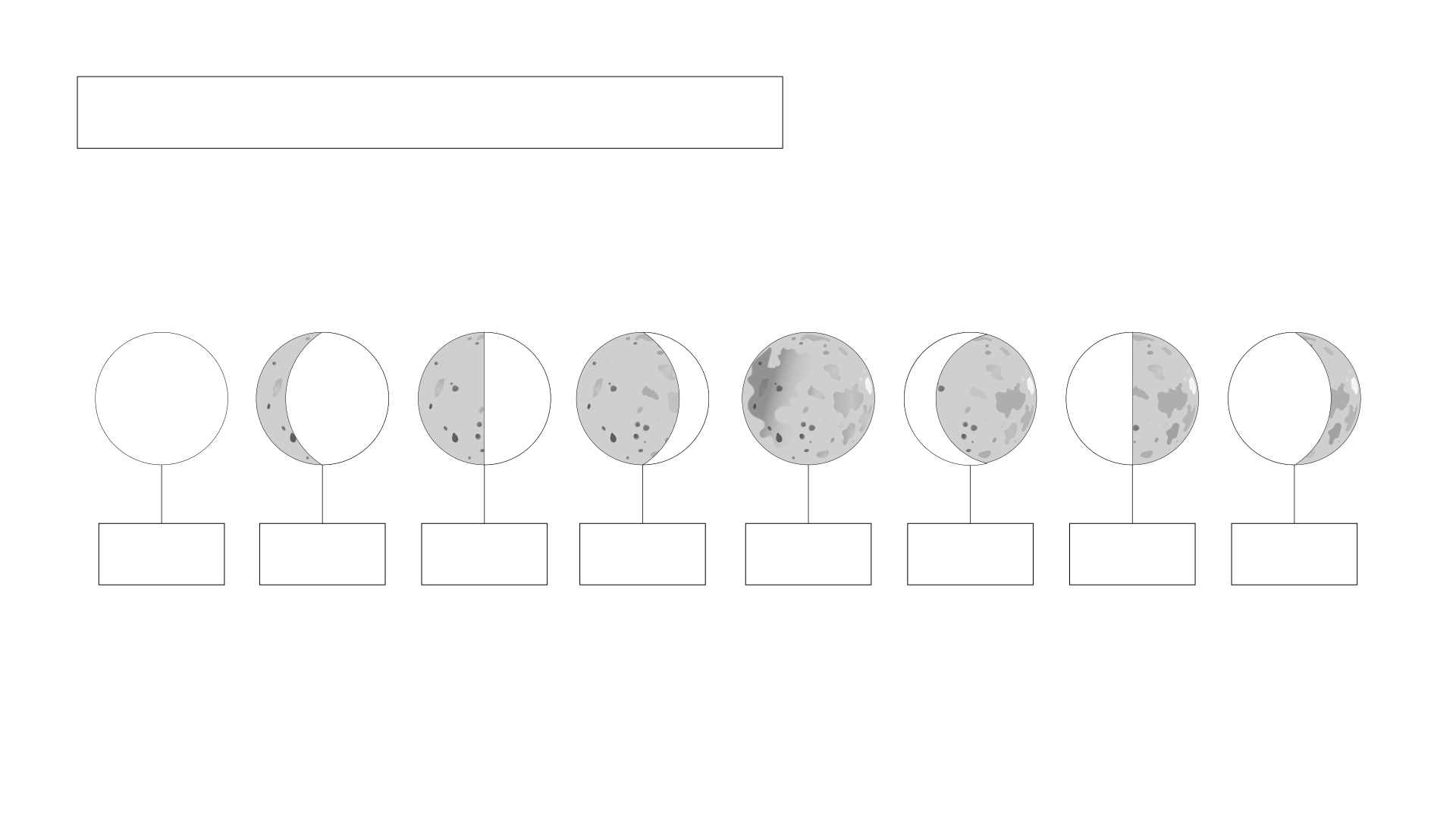
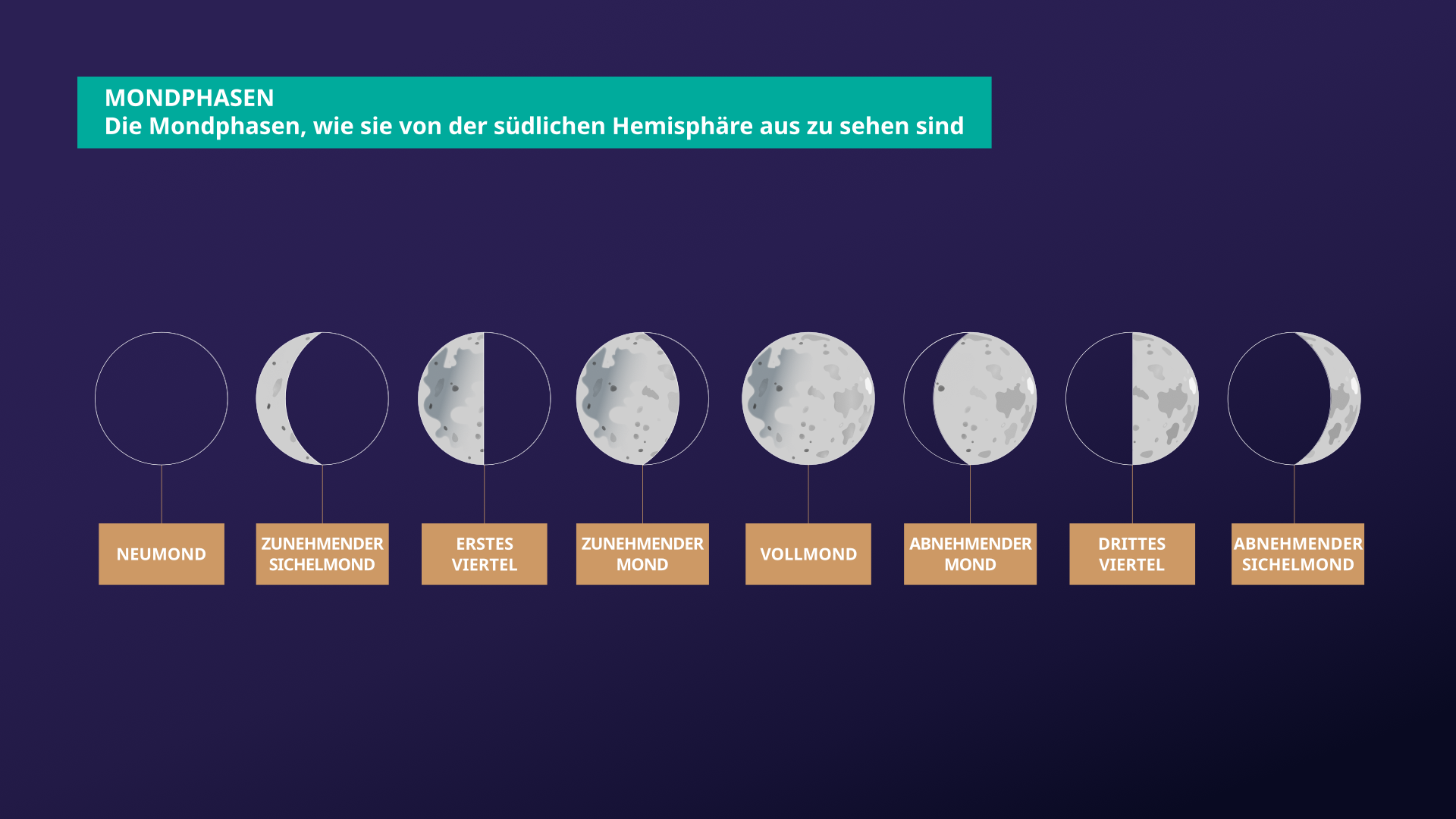
Die Mondphasen aus der Perspektive der südlichen Hemisphäre. Hier ist Norden oben und Westen links. Der Mond umkreist die Erde alle 29,5 Tage. Er umläuft die Erde in gebundener Rotation, was bedeutet, dass seine Rotationsperiode mit seiner Umlaufperiode übereinstimmt und der Erde immer dieselbe Seite des Mondes zugewandt ist. Zu jedem Zeitpunkt wird eine Hälfte des Mondes von der Sonne beleuchtet, während die andere Hälfte im Schatten liegt. Im Verlauf des Mondumlaufs um die Erde wird jeder Teil des Mondes während der einen Hälfte des Umlaufs beleuchtet und liegt während der anderen Hälfte im Schatten.
Befindet sich der Mond zwischen Erde und Sonne, ist seine beleuchtete Hälfte von der Erde abgewandt, und wir sehen nur die Hälfte, die im Schatten liegt. Diese Mondphase wird als Neumond bezeichnet. Während sich der Mond auf seiner Umlaufbahn weiterbewegt, wird von der Erde aus ein kleiner, aber immer größer werdender Streifen der beleuchteten Mondhälfte sichtbar. Dieser beleuchtete Streifen erscheint, von der Erde aus gesehen, auf der Westseite der Mondoberfläche. Diese Phase wird als zunehmende Mondsichel bezeichnet. Nach einem Viertel der Mondumlaufbahn um die Erde steht der Mond im Winkel von 90° zur Sonne und die Hälfte der beleuchteten Mondhälfte ist der Erde zugewandt. Diese Phase wird als Erstes Viertel bezeichnet. Im weiteren Verlauf des Umlaufs ist nun mehr als die Hälfte der von der Erde aus sichtbaren Mondoberfläche beleuchtet. Diese Phase wird als zunehmender Mond bezeichnet. Sobald wir die Hälfte des Mondumlaufs um die Erde erreicht haben, befindet sich der Mond auf der der Sonne gegenüberliegenden Seite der Erde und wir sehen die gesamte beleuchtete Hälfte des Mondes. Dies ist die Vollmondphase.
Während der verbleibenden Hälfte des Mondumlaufs beginnt die der Erde zugewandte Mondhälfte wieder in den Schatten zu rücken. Daher beginnt der beleuchtete Teil des Mondes, den wir von der Erde aus sehen, abzunehmen. Der westliche Rand der Mondoberfläche erscheint von der Erde aus betrachtet zunächst dunkel und dieser dunkle Bereich nimmt im Laufe der folgenden Phasen weiter zu. Die Phasen wiederholen sich in umgekehrter Reihenfolge: abnehmender Mond, drittes Viertel, abnehmende Sichel und schließlich wieder Neumond.
Zu beachten ist, dass die Oberflächenmerkmale des Mondes nur zur Veranschaulichung dienen und die tatsächliche Oberfläche des Mondes nicht genau wiedergeben.
Quelle Diagramm: Aneta Margraf/IAU OAE.
Diagramm Übersetzungsstatus: Noch nicht bestätigt von einem Rezensenten
Diagramm-Übersetzer: Simon Kraus
Diagramm-Lizenz: Creative Commons Namensnennung 4.0 International (CC BY 4.0) Creative Commons Namensnennung 4.0 International (CC BY 4.0) Symbole
Ähnliche Glossarbegriffe:
Abnehmende Mondsichel
, Abnehmender Dreiviertelmond
, Dreiviertelmond
, Mondphase
, Mondsichel
, Neumond
, Viertelmond
, Vollmond
, Wachsende Mondsichel
, Wachsender Dreiviertelmond
Kategorien:
Astronomie mit bloßem Auge
Möchtest du deine eigene Übersetzung oder Version dieses Diagrammes erstellen? Dann downloade die SVG
Version dieses Diagrammes auf Englisch (609.64 kB). Du kannst diese Version mit Programmen wie Inkscape (kostenlos) oder Adobe Illustrator (kostenpflichtig) bearbeiten. Bitte verweise dennoch auf den originalen Autor.
Auch in Schwarzweiß erhältlich ( Bild 609.64 kB).
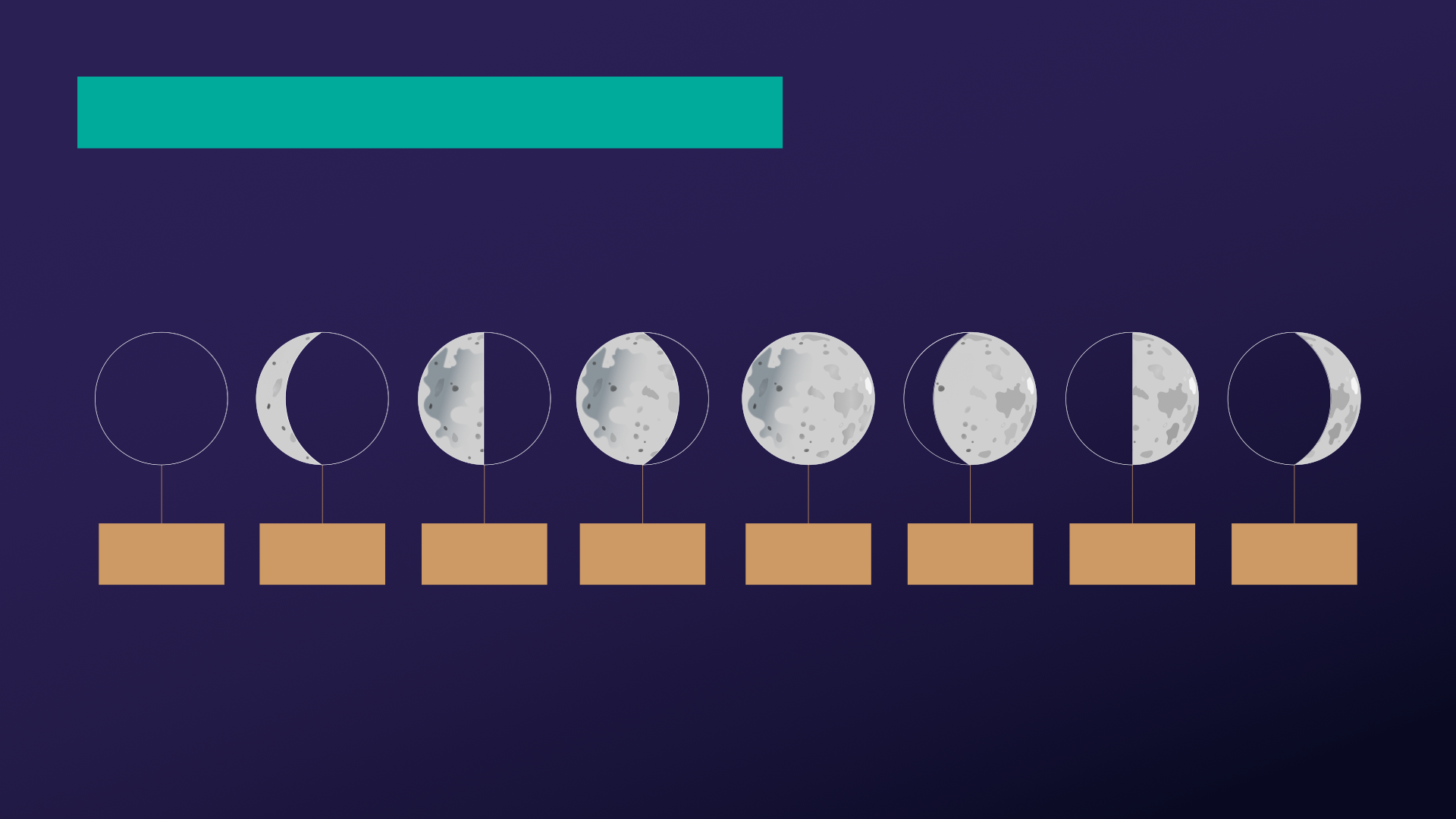
Du kannst Deine eigene Version oder Übersetzung dieses Diagrammes erstellen, indem du einer textlosen Version dieses Diagrammes eigenen Text zufügst.
Downloade einfach eine dieser Dateien:
Download Text-Free File ( Bild 1.20 MB)
Download Text-Free PDF File (PDF file 447.17 kB)
Auch in Schwarzweiß erhältlich:
Download Text-Free File ( Bild 105.66 kB)
Download Text-Free PDF File (PDF file 408.71 kB)
Auf anderen Sprachen
Englisch: Lunar Phase Southern HemisphereItalienisch: Fasi lunari nell'emisfero australe
The diagram captions presented on the OAE website were written, translated and reviewed by a collective effort from the OAE, the OAE Centers and Nodes, the OAE National Astronomy Education Coordinators (NAECs) and other volunteers. You can find a full list of credits for our translation project here. All media file captions are released under a Creative Commons CC BY-4.0 license and should be credited to "IAU OAE". The media files themselves may have different licenses (see above) and should be credited as listed above under "credit".
Sollte dir ein Fehler in diesem Diagramm oder seiner Unterschrift auffallen, bitte kontaktiere uns.