Termo do glossário: Atmosfera
Descrição: A atmosfera é uma camada de gás que envolve um corpo celeste. Ela é mantida por causa da atração gravitacional do corpo celeste e, portanto, é mais densa na superfície e se funde com o espaço interplanetário em grandes altitudes.
Para planetas com superfícies sólidas ou líquidas, o limite inferior da atmosfera é definido. As estrelas têm interiores gasosos e, portanto, não têm um limite inferior claro para suas atmosferas. Uma atmosfera estelar normalmente se refere à camada gasosa externa de uma estrela através da qual a luz do interior viaja para o espaço.
O campo magnético de um planeta pode proteger sua atmosfera de se dissipar rapidamente no espaço devido ao vento solar ou estelar. No caso da Terra, ele também protege todos os organismos contra danos genéticos devido aos efeitos nocivos do vento solar e dos raios cósmicos.
Termos relacionados:
Ver este termo em outros idiomas
Status do termo e da definição: A definição original deste termo em inglês foi aprovada por um astrônomo(a) pesquisador(a) e um(a) professor(a) A tradução deste termo e de sua definição ainda aguarda aprovação
O Glossário Multilíngue da OAE é um projeto do Escritório da IAU de Astronomia para a Educação(OAE) em colaboração com o Escritório da IAU para Divulgação da Astronomia (OAO). Os termos e definições foram selecionados, escritos e revisados por meio de um esforço coletivo da OAE, dos Centros e Nós da OAE, dos Coordenadores Nacionais de Educação em Astronomia (NAECs) da OAE e de outros voluntários. Você pode encontrar uma lista completa dos créditos aqui. Todos os termos do glossário e suas definições são disponibilizados sob uma licença Creative Commons CC BY-4.0 e devem ser creditados à "IAU OAE".
Se você notar algum erro factual ou de tradução neste termo do glossário ou em sua definição, por favor entre em contato.
Em outros idiomas
- Árabe: الغلاف الجوي
- Alemão: Atmosphäre
- Inglês: Atmosphere
- Espanhol: Atmósfera
- Francês: Atmosphère
- Italiano: Atmosfera
- Coreano: 대기
- Chinês Simplificado: 大气层
- Chinês Tradicional: 大氣層
Mídia relacionada

Lua e a tênue atmosfera da Terra
Legenda: Tirada a partir da Estação Espacial Internacional (ISS), a aproximadamente 400 quilômetros acima da superfície, a imagem mostra a Lua ao fundo e a fina atmosfera da Terra. Ela aparece em azul porque a luz nesse comprimento de onda é mais espalhada do que em outros pelos gases nas camadas superiores. A foto foi feita em março de 2015 por um membro da tripulação. É claramente visível a camada extremamente tênue de gases em comparação com as dimensões da Terra. Não existe uma fronteira definida entre a atmosfera e o espaço; trata-se de uma transição suave, sem bordas definidas. A espessura até o limite superior da estratosfera, cerca de 50 quilômetros, não chega nem a um por cento do raio da Terra. Acima de 600 quilômetros, as partículas que atingem a velocidade crítica de escape podem ir em direção ao espaço. A massa total da atmosfera é cerca de 300 vezes menor que a de todos os oceanos somados ou um milhão de vezes menor que a massa total da Terra.
Crédito: Unidade de Ciências da Terra e Sensoriamento Remoto, Centro Espacial Johnson da NASA
link do crédito
License: PD Domínio Público ícones

Atmosphere of Venus
Legenda: This image of Venus was captured in ultraviolet light by the Pioneer Venus Orbiter and highlights features of the planet’s thick atmosphere that are not visible in ordinary light. Venus has a dense, cloudy atmosphere composed mainly of carbon dioxide. In ultraviolet wavelengths, patterns in the upper cloud layers become visible, revealing swirling structures and bright and dark bands caused by differences in the composition and motion of the atmosphere. These ultraviolet features help scientists map wind patterns, atmospheric circulation, and cloud dynamics high above Venus’s surface.
Unlike Earth’s atmosphere, which is relatively transparent in visible light, Venus’s atmosphere is so thick that no direct view of the surface is possible from space without special instruments. The extreme pressure and temperature near Venus’s surface are consequences of this dense gaseous envelope, making Venus a dramatic example of how different planetary atmospheres can be. This image demonstrates how observing a planet’s atmosphere in different wavelengths, such as ultraviolet, reveals details about its structure and behaviour.
Crédito: NASA
link do crédito
License: PD Domínio Público ícones
Atividades relacionadas
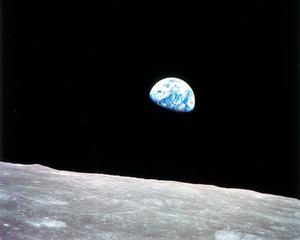
Blue Marble in Empty Space
astroEDU educational activity (links to astroEDU website) Description: Students are taken on a virtual journey to outer space to experience that we live on a tiny planet that floats in a vast and empty space.
License: CC-BY-4.0 Creative Commons Attribution 4.0 International (CC BY 4.0) ícones
Tags:
Life
, Hands-on
, Model
, Scales
, Distances
, ISS
Faixas etárias:
6-8
, 8-10
Nível de ensino:
Básico
, Médio
Áreas de aprendizagem:
Aula interativa
, Modelagem
Custos:
Baixo custo
Duração:
30 mins
Tamanho do grupo:
Grupo
Habilidades:
Fazer perguntas
, Comunicar informações
, Desenvolver e usar modelos
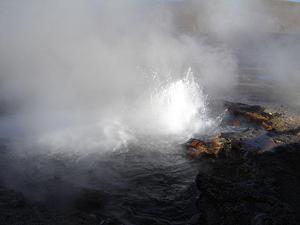
Fizzy Balloons – CO2 in School
astroEDU educational activity (links to astroEDU website) Description: Investigate the properties of carbon dioxide with this fun demonstration.
License: CC-BY-4.0 Creative Commons Attribution 4.0 International (CC BY 4.0) ícones
Tags:
Life
, Hands-on
, Chemistry
, Earth Science
, Carbon Dioxide
Faixas etárias:
8-10
, 10-12
Nível de ensino:
Básico
, Médio
Áreas de aprendizagem:
Aula interativa
, Experimento científico tradicional
Custos:
Custo médio
Duração:
2 hours
Tamanho do grupo:
Grupo
Habilidades:
Analisar e interpretar dados
, Fazer perguntas
, Construir explicações
, Engajar-se em argumentação com base em evidências
, Planejar e realizar pesquisas
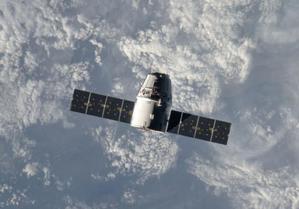
Investigating the Atmosphere – Air Takes Up Space
astroEDU educational activity (links to astroEDU website) Description: Air takes up space even though you cannot see it.
License: CC-BY-4.0 Creative Commons Attribution 4.0 International (CC BY 4.0) ícones
Tags:
Geography
, Mathematics
, Air
Faixas etárias:
6-8
, 8-10
Nível de ensino:
Básico
Áreas de aprendizagem:
Modelagem
, Aprendizagem por investigação estruturada
Custos:
Baixo custo
Duração:
1 hour
Tamanho do grupo:
Grupo
Habilidades:
Analisar e interpretar dados
, Fazer perguntas
, Comunicar informações
, Construir explicações
, Planejar e realizar pesquisas
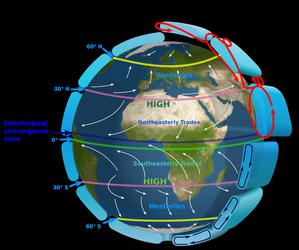
The Intertropical Convergence Zone
astroEDU educational activity (links to astroEDU website) Description: The air circulation system: how are winds created?
License: CC-BY-4.0 Creative Commons Attribution 4.0 International (CC BY 4.0) ícones
Tags:
Climate
, Updraft
, Convection
, Winds
Faixas etárias:
12-14
, 14-16
Nível de ensino:
Ensino fundamental
Áreas de aprendizagem:
Grupos de discussão
, Modelagem
, Aprendizagem por investigação estruturada
Custos:
Custo médio
Duração:
1 hour
Tamanho do grupo:
Grupo
Habilidades:
Comunicar informações
, Construir explicações
, Desenvolver e usar modelos
, Engajar-se em argumentação com base em evidências
, Planejar e realizar pesquisas

Lightning on other planets
astroEDU educational activity (links to astroEDU website) Description: A hands-on, Inquiry exploration of how lightning happens on Earth and other planets
License: CC-BY-4.0 Creative Commons Attribution 4.0 International (CC BY 4.0) ícones
Faixas etárias:
14-16
, 16-19
Nível de ensino:
Médio
Áreas de aprendizagem:
Atividade divertida
, Modelagem
, Baseado em observação
, Aprendizagem por investigação estruturada
Custos:
Baixo custo
Duração:
2 hours
Tamanho do grupo:
Grupo
Habilidades:
Fazer perguntas
, Comunicar informações
, Construir explicações
, Desenvolver e usar modelos
, Engajar-se em argumentação com base em evidências
, Planejar e realizar pesquisas