Glossar-Begriff: Atmosphäre
Beschreibung: Die Atmosphäre ist eine Gasschicht, die einen Himmelskörper umgibt. Sie wird durch die Anziehungskraft des Himmelskörpers aufrechterhalten und ist daher an der Oberfläche des Himmelskörpers am dichtesten. In großen Höhen geht eine Atmosphäre in den interplanetaren Raum über.
Bei Planeten mit fester oder flüssiger Oberfläche ist die untere Grenze der Atmosphäre klar begrenzt. Sterne haben ein gasförmiges Inneres und daher keine eindeutige untere Grenze für ihre Atmosphäre. Eine Sternatmosphäre bezieht sich normalerweise auf die äußere gasförmige Schicht eines Sterns, durch die das Licht aus seinem Inneren in den Weltraum gelangt.
Das Magnetfeld eines Planeten kann seine Atmosphäre davor schützen, sich aufgrund des Sonnen- oder Sternwinds schnell im Weltraum aufzulösen. Im Falle der Erde schützt das Magnetfeld auch alle Organismen vor genetischen Schäden durch die schädlichen Auswirkungen des Sonnenwinds und der kosmischen Strahlung.
Ähnliche Begriffe:
Dieser Begriff in anderen Sprachen
Begriffs- und Definitionsstatus Die Originaldefinition dieses Begriffes auf Englisch wurden von einer*einem forschenden Astronom*in und einer Lehrkraft bestätigt Die Übersetzung dieses Begriffs und seiner Definition warten auf Prüfung und Bestätigung
Der mehrsprachige OAE-Glossar ist ein Projekt des IAU Office of Astronomy for Education (OAE) als Bildungsbüro der Internationalen Astronomischen Union in Zusammenarbeit mit dem IAU Office of Astronomy Outreach (OAO). Die Begriffe und Definitionen wurden gewählt, geschrieben und geprüft durch einen kollektiven Aufwand des OAE, des OAE Zentren und Knotenpunkte, des OAE National Astronomy Education Coordinators (NAECs, Nationale Koordinatoren für astronomische Bildungsarbeit) und anderen Freiwilligen. Die volle Liste an Mitarbeitenden ist hier. Alle Glossar-Begriffe und ihre Definitionen sind unter einer Creative Commons CC BY-4.0 Lizenz veröffentlicht und sollten "IAU OAE" zugeschrieben werden.
Wenn dir ein inhaltlicher oder Übersetzungsfehler in diesem Glossarbegriff oder dieser Definition auffallen, bitte kontaktiere uns.
Auf anderen Sprachen
- Arabisch: الغلاف الجوي
- Englisch: Atmosphere
- Spanisch: Atmósfera
- Französisch: Atmosphère
- Italienisch: Atmosfera
- Koreanisch: 대기
- Brasilianisches Portugiesisch: Atmosfera
- Vereinfachtes Chinesisch: 大气层
- Traditionelles Chinesisch: 大氣層
Ähnliche Medien

Mond und die dünne Atmosphäre der Erde
Unterschrift: Das Bild wurde von der Internationalen Raumstation (ISS) in etwa 400 Kilometern Höhe aufgenommen und zeigt den Mond weit im Hintergrund und die dünne Erdatmosphäre. Sie erscheint blau, da das Licht in dieser Wellenlänge von den Gasen in den oberen Schichten stärker gestreut wird als in anderen Wellenlängen. Das Foto wurde im März 2015 von einem Besatzungsmitglied aufgenommen. Deutlich sichtbar ist die im Vergleich zu den Dimensionen der Erde verschwindend kleine Gasschicht. Es gibt keine klare Grenze zwischen der Atmosphäre und dem Weltraum; es ist ein fließender Übergang ohne scharfe Kanten. Die Dicke bis zur oberen Grenze der Stratosphäre, etwa 50 Kilometer, beträgt nicht einmal ein Prozent des Erdradius. Oberhalb von 600 Kilometern können Teilchen, die die kritische Fluchtgeschwindigkeit erreichen, in den Weltraum entweichen. Die Gesamtmasse der Atmosphäre ist etwa 300 Mal kleiner als die aller Ozeane zusammen oder eine Million Mal kleiner als die Gesamtmasse der Erde.
Bild: Abteilung für Erdwissenschaft und Fernerkundung, NASA Johnson Space Center
Quellenlink
License: PD Gemeinfrei Symbole

Die Atmosphäre der Venus
Unterschrift: Dieses Bild der Venus wurde vom Pioneer Venus Orbiter im ultravioletten Licht aufgenommen und zeigt Merkmale der dichten Atmosphäre des Planeten, die im normalen Licht unsichtbar sind. Die Venus besitzt eine dichte, wolkenreiche Atmosphäre, die hauptsächlich aus Kohlenstoffdioxid besteht. Im ultravioletten Wellenlängenbereich werden Muster in den oberen Wolkenschichten sichtbar, die verwirbelte Strukturen sowie helle und dunkle Bänder offenbaren, die durch Unterschiede in der Zusammensetzung und Bewegung der Atmosphäre verursacht werden. Diese Merkmale im Ultravioletten helfen Wissenschaftlern dabei, Windmuster, atmosphärische Zirkulationen und Wolkendynamiken hoch über der Oberfläche der Venus zu kartieren.
Im Gegensatz zur Erdatmosphäre, die im sichtbaren Licht relativ transparent ist, ist die Atmosphäre der Venus so dicht, dass ohne spezielle Instrumente kein direkter Blick auf die Oberfläche aus dem Weltraum möglich ist. Der extreme Druck und die extremen Temperaturen in der Nähe der Venusoberfläche sind Folgen dieser dichten Gashülle, was die Venus zu einem eindrucksvollen Beispiel dafür macht, wie unterschiedlich planetare Atmosphären sein können. Dieses Bild veranschaulicht, wie die Beobachtung der Atmosphäre eines Planeten in verschiedenen Wellenlängen, beispielsweise im Ultraviolettbereich, Details über dessen Struktur und Verhalten offenbart.
Bild: NASA
Quellenlink
License: PD Gemeinfrei Symbole
Ähnliche Aktivitäten
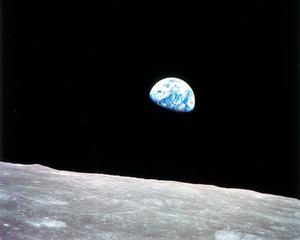
Blue Marble in Empty Space
astroEDU educational activity (links to astroEDU website) Description: Students are taken on a virtual journey to outer space to experience that we live on a tiny planet that floats in a vast and empty space.
License: CC-BY-4.0 Creative Commons Namensnennung 4.0 International (CC BY 4.0) Symbole
Schlagworte
Life
, Hands-on
, Model
, Scales
, Distances
, ISS
Altersgruppen:
6-8
, 8-10
Bildungsniveau:
Primary
, Secundaria
Lernbereiche:
Interactive Lecture
, Modelling
Kosten:
Low Cost
Dauer:
30 mins
Gruppengröße:
Group
Fähigkeiten:
Asking questions
, Communicating information
, Developing and using models
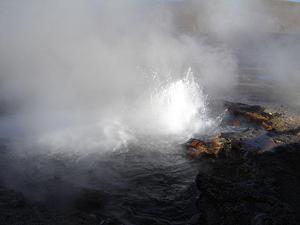
Fizzy Balloons – CO2 in School
astroEDU educational activity (links to astroEDU website) Description: Investigate the properties of carbon dioxide with this fun demonstration.
License: CC-BY-4.0 Creative Commons Namensnennung 4.0 International (CC BY 4.0) Symbole
Schlagworte
Life
, Hands-on
, Chemistry
, Earth Science
, Carbon Dioxide
Altersgruppen:
8-10
, 10-12
Bildungsniveau:
Primary
, Secundaria
Lernbereiche:
Interactive Lecture
, Traditional Science Experiment
Kosten:
Medium Cost
Dauer:
2 hours
Gruppengröße:
Group
Fähigkeiten:
Analysing and interpreting data
, Asking questions
, Constructing explanations
, Engaging in argument from evidence
, Planning and carrying out investigations
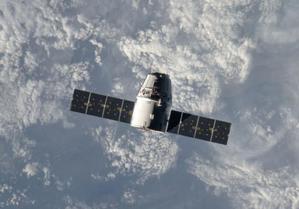
Investigating the Atmosphere – Air Takes Up Space
astroEDU educational activity (links to astroEDU website) Description: Air takes up space even though you cannot see it.
License: CC-BY-4.0 Creative Commons Namensnennung 4.0 International (CC BY 4.0) Symbole
Schlagworte
Geography
, Mathematics
, Air
Altersgruppen:
6-8
, 8-10
Bildungsniveau:
Primary
Lernbereiche:
Modelling
, Structured-inquiry learning
Kosten:
Low Cost
Dauer:
1 hour
Gruppengröße:
Group
Fähigkeiten:
Analysing and interpreting data
, Asking questions
, Communicating information
, Constructing explanations
, Planning and carrying out investigations
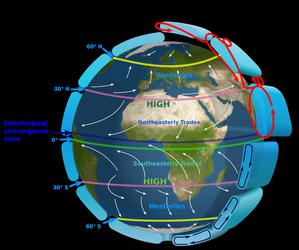
The Intertropical Convergence Zone
astroEDU educational activity (links to astroEDU website) Description: The air circulation system: how are winds created?
License: CC-BY-4.0 Creative Commons Namensnennung 4.0 International (CC BY 4.0) Symbole
Schlagworte
Climate
, Updraft
, Convection
, Winds
Altersgruppen:
12-14
, 14-16
Bildungsniveau:
Middle School
Lernbereiche:
Discussion Groups
, Modelling
, Structured-inquiry learning
Kosten:
Medium Cost
Dauer:
1 hour
Gruppengröße:
Group
Fähigkeiten:
Communicating information
, Constructing explanations
, Developing and using models
, Engaging in argument from evidence
, Planning and carrying out investigations

Lightning on other planets
astroEDU educational activity (links to astroEDU website) Description: A hands-on, Inquiry exploration of how lightning happens on Earth and other planets
License: CC-BY-4.0 Creative Commons Namensnennung 4.0 International (CC BY 4.0) Symbole
Altersgruppen:
14-16
, 16-19
Bildungsniveau:
Secundaria
Lernbereiche:
Fun activity
, Modelling
, Observation based
, Structured-inquiry learning
Kosten:
Low Cost
Dauer:
2 hours
Gruppengröße:
Group
Fähigkeiten:
Asking questions
, Communicating information
, Constructing explanations
, Developing and using models
, Engaging in argument from evidence
, Planning and carrying out investigations