Loading...

مصطلح في المعجم: الذروة

الوصف: في علم الفلك، تشير الذروة إلى اللحظة التي يمر فيها جرم سماوي عبر خط الزوال المحلي للراصد. عندما يعبر جرم سماوي في السماء خط الزوال يكون إما في أعلى أو أدنى نقطة في السماء.

من منظور الراصد، تبدو الكرة السماوية وكأنها تدور حول الأرض. وهذا يعني أن الأجرام السماوية في السماء تتبع مسارًا دائريًا خلال اليوم. ترتفع معظم الأجرام في الشرق، وتتحرك إلى الأعلى في السماء حتى تعبر خط الزوال، ثم تتحرك إلى الأسفل في السماء لتغرب في الغرب.
الأجسام المحيطة بالقطب هي أجسام قريبة بما فيه الكفاية من أحد القطبين السماويين بحيث يمكن للراصد رؤية مسارها الدائري الكامل على مدار يوم فلكي واحد (أقل بقليل من 24 ساعة). في جميع الحالات تكون أعلى نقطة في السماء يصل إليها الجرم السماوي عندما يعبر خط الزوال. ويُشار إلى اللحظة التي يصل فيها إلى هذه النقطة الأعلى بذروته العليا. وبعد مرور اثنتي عشرة ساعة (فلكية)، عندما يكون الجسم في أدنى نقطة في السماء (وغالبًا ما تكون هذه النقطة تحت الأفق)، يُشار إلى هذه اللحظة باسم الذروة السفلى.

بما أن الذروة هي اللحظة التي يعبر فيها جرم سماوي خط الزوال المحلي للراصد، فغالبًا ما يُشار إليها بعبور خط الزوال. تُحدد زاوية الساعة في السماء بالنسبة لخط الزوال المحلي للراصد، وبالتالي، بحكم التعريف، تحدث الذروة العليا عند زاوية ساعة تساوي صفرًا، بينما تحدث الذروة السفلى عند زاوية ساعة تساوي 12 ساعة.

مصطلحات ذات صلة:


اطّلع على هذا المصطلح بلغات أخرى

حالة المصطلح والتعريف: تمت الموافقة على التعريف الأصلي لهذا المصطلح باللغة الإنجليزية من قبل فلكي باحث ومعلم
ترجمة هذا المصطلح وتعريفه ما تزال بانتظار الموافقة

The OAE Multilingual Glossary is a project of the IAU Office of Astronomy for Education (OAE) in collaboration with the IAU Office of Astronomy Outreach (OAO). The terms and definitions were chosen, written and reviewed by a collective effort from the OAE, the OAE Centers and Nodes, the OAE National Astronomy Education Coordinators (NAECs) and other volunteers. You can find a full list of credits here. All glossary terms and their definitions are released under a Creative Commons CC BY-4.0 license and should be credited to "IAU OAE".

إذا لاحظت خطأً واقعيًا أو خطأً في الترجمة ضمن هذا المصطلح في المعجم، فيرجى التواصل معنا.

بلغات أخرى

وسائط ذات صلة


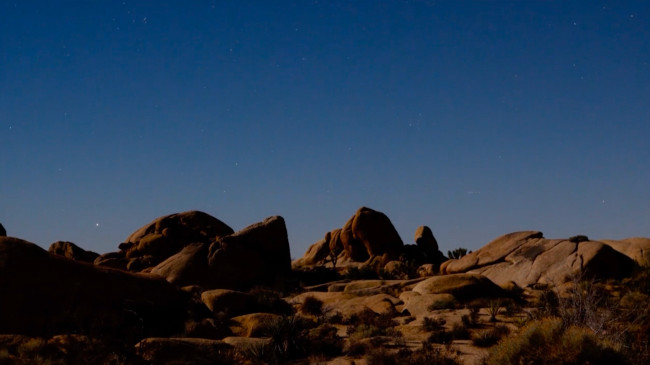
A dark sky over a dry desert landscape. The brightest star in the image is rising on the lower left

The Culmination of Canopus

الشرح: Honourable mention in the 2022 IAU OAE Astrophotography Contest, category Time lapses of celestial patterns.   This time-lapse video was shot in January 2018 from the Joshua Tree National Park, USA, and follows the path of Canopus, the second-brightest star in the night sky, as it moves from left to right, almost touching the horizon. The landscape is illuminated by the Moon.  Canopus is associated with the rudder of the ancient Argo constellation, the Ship, nowadays split into the three modern constellations Vela, Puppis and Carina, the last of which contains Canopus. Owing to its brightness, Canopus has caught the attention of several cultures around the world throughout history. For instance, the Navajo people of North America named the star as the Coyote, and say that the coyote took part in the creation of the Universe. The Kalapalo people of Brazil associated Canopus with a duck, with other bright stars making up the body parts of the animal. The appearance of Canopus in the sky indicates the coming of the rainy season.
المصدر: Fabrizio Melandri/IAU OAE

License: CC-BY-4.0 المشاع الإبداعي نَسب المُصنَّف 4.0 دولي (CC BY 4.0) أيقونات