Glossary term: 광공해
Description: 광공해란 가로등과 같은 인공 조명이 필요 이상으로 밝거나 또는 (지평선 위로 빛이 방출되도록) 잘못 설치되어 밤하늘이 밝아지는 현상을 말합니다. 이로 인해 별이나 행성, 기타 다른 천체들의 관측이 방해받을 뿐 아니라 생태계에 영향을 주는 여러 자연적 순환주기들이 변할 수 있으므로 적절치 않습니다. 더 나아가 광공해는 재정과 자원의 비효율적 사용례라고도 할 수 있습니다.
Related Terms:
See this term in other languages
Term and definition status: The original definition of this term in English have been approved by a research astronomer and a teacher The translation of this term and its definition is still awaiting approval
The OAE Multilingual Glossary is a project of the IAU Office of Astronomy for Education (OAE) in collaboration with the IAU Office of Astronomy Outreach (OAO). The terms and definitions were chosen, written and reviewed by a collective effort from the OAE, the OAE Centers and Nodes, the OAE National Astronomy Education Coordinators (NAECs) and other volunteers. You can find a full list of credits here. All glossary terms and their definitions are released under a Creative Commons CC BY-4.0 license and should be credited to "IAU OAE".
If you notice a factual or translation error in this glossary term or definition then please get in touch.
In Other Languages
- 아랍어: التلوث الضوئي
- 독일어: Lichtverschmutzung
- 영어: Light Pollution
- 스페인어: Contaminación lumínica
- 프랑스어: Pollution lumineuse
- 이탈리아어: Inquinamento luminoso
- 일본어: 光害 (external link)
- 브라질 포르투갈어: Poluição luminosa
- 중국어 간체: 光污染
- 중국어 번체: 光汙染
Related Media
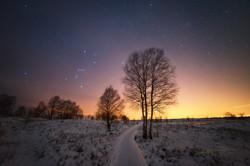
Starry Night over Eifel national park, by Dong Han, China
Caption: First place in the 2021 IAU OAE Astrophotography Contest, category Light pollution.
Light pollution results from the excess of artificial light produced by human endeavours mainly as a side effect of industrialisation. This kind of pollution is usually most noticeable around well populated areas associated with intense human activities, such as street lighting, lights from the transportation system, buildings and houses. But it can also come from other places, such as ships and oil platforms in the sea. This image taken in a national park in Belgium in 2018 shows the detrimental effect of light pollution on the most precious resource that connects all humans together – the night sky.
Credit: Dong Han/IAU OAE
License: CC-BY-4.0 Creative Commons 저작자표시 4.0 국제 (CC BY 4.0) icons
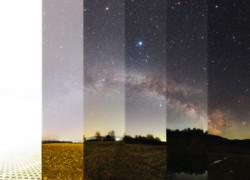
Real Light Pollution Panorama, by Tomáš Slovinský, Slovakia
Caption: Second place in the 2021 IAU OAE Astrophotography Contest, category Light pollution.
This composite image taken in Slovakia in 2020 illustrates the effect due to artificial illumination of light polluted areas. The higher the level of light pollution, the less we can observe in the sky, notice how the number of stars visible even to a sensitive digital camera decreases from right to left. Light pollution not only affects the visibility of objects in the night sky, but also significantly impacts ecosystems, negatively affecting many animals, such as migratory night birds, which may encounter difficulties to find the direction to where they should migrate to, or the sea turtles, which may be confused by the lights from coastal cities located near the beaches where they are supposed to spawn. Light pollution can also negatively impact some human health. Therefore, it is important to preserve the dark and quiet night sky for the benefit of the entire planet and all the diverse life it supports.
Credit: Tomáš Slovinský/IAU OAE
License: CC-BY-4.0 Creative Commons 저작자표시 4.0 국제 (CC BY 4.0) icons
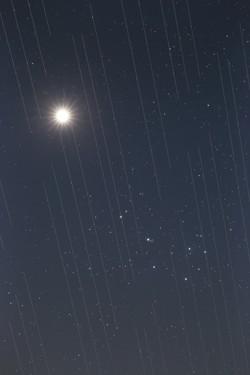
Satellite swarm versus night sky beauty, by Torsten Hansen, Germany
Caption: Third place in the 2021 IAU OAE Astrophotography Contest, category Light pollution.
This image of Venus and the Pleiades also shows the tracks of the Starlink satellites. These satellites which are located at an altitude of approximately 550 kilometres, are part of an ever-growing constellation of satellites aimed to provide worldwide internet access. The reflective surfaces of the satellites, coupled with the fact that they are orbiting around the Earth, means that astronomical observations which require very long exposures capture “tracks” of the satellites in their images. Astronomical images used for scientific research are not usable because the measurements and data will contain these “tracks”. Because the number of satellites is expected to grow, it is likely that in the near future there will be no place on Earth where these satellites will not be visible crossing the sky. This is a new type of light pollution that seems to be an upcoming problem we will have to deal with, as these satellites might prevent optimal observation of the sky.
Credit: Torsten Hansen/IAU OAE
License: CC-BY-4.0 Creative Commons 저작자표시 4.0 국제 (CC BY 4.0) icons
Related Activities
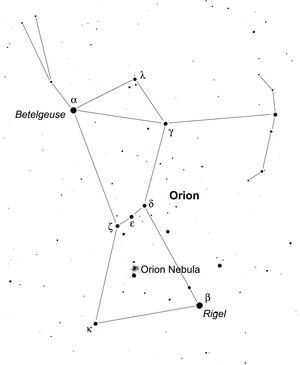
How Light Pollution Affects the Stars: Magnitude Readers
astroEDU educational activity (links to astroEDU website) Description: Build a Magnitude Reader to explore the magnitude of stars.
License: CC-BY-4.0 Creative Commons 저작자표시 4.0 국제 (CC BY 4.0) icons
Tags:
Hands-on
, Dark skies
, ecology
Age Ranges:
10-12
, 12-14
, 14-16
, 16-19
Education Level:
Middle School
Areas of Learning:
Modelling
, Observation based
Costs:
Medium Cost
Duration:
1 hour
Group Size:
Group
Skills:
Asking questions
, Planning and carrying out investigations
Globe at Night Activity Guide
astroEDU educational activity (links to astroEDU website) Description: Learn to observe and record the faintest visible stars to measure the light pollution.
License: CC-BY-4.0 Creative Commons 저작자표시 4.0 국제 (CC BY 4.0) icons
Tags:
Hands-on
, Dark skies
, ecology
, Citizen science
Age Ranges:
4-6
, 6-8
, 8-10
, 10-12
, 12-14
, 14-16
, 16-19
, 19+
Education Level:
Informal
, Middle School
, Other
, Primary
, Secondary
, University
Areas of Learning:
Observation based
, Project-based learning
Costs:
Low Cost
Group Size:
Group
Skills:
Communicating information
, Planning and carrying out investigations
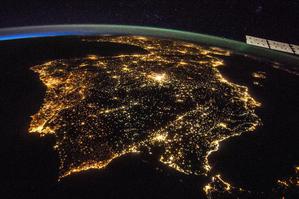
How Many Stars Can You See at Night?
astroEDU educational activity (links to astroEDU website) Description: Investigate the effects of light pollution on night sky observation.
License: CC-BY-4.0 Creative Commons 저작자표시 4.0 국제 (CC BY 4.0) icons
Tags:
Software
, ecology
, Observation of sky
, Pollution
, Constellations
, stellarium
Age Ranges:
12-14
Education Level:
Middle School
Areas of Learning:
Observation based
, Structured-inquiry learning
Costs:
Low Cost
Duration:
45 mins
Group Size:
Group
Skills:
Analysing and interpreting data
, Communicating information
, Planning and carrying out investigations
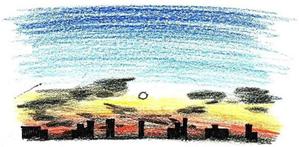
Evening Sky Watching for Students
astroEDU educational activity (links to astroEDU website) Description: Let's observe the evening sky with the naked eye
License: CC-BY-4.0 Creative Commons 저작자표시 4.0 국제 (CC BY 4.0) icons
Tags:
Art
, Observation of sky
, Sky watching
, Motion of star
Age Ranges:
4-6
, 6-8
Education Level:
Pre-school
, Primary
Areas of Learning:
Discussion Groups
, Observation based
, Structured-inquiry learning
Costs:
Free
Duration:
30 mins
Group Size:
Group
Skills:
Asking questions
, Communicating information
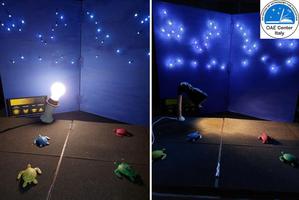
Let there be light… but not too much!
astroEDU educational activity (links to astroEDU website) Description: Build a model to learn what light pollution is and what its effects are.
License: CC-BY-4.0 Creative Commons 저작자표시 4.0 국제 (CC BY 4.0) icons
Tags:
Pollution
, sky observation
, lighting source
Age Ranges:
6-8
, 8-10
, 10-12
Education Level:
Middle School
, Primary
Areas of Learning:
Discussion Groups
, Modelling
, Observation based
, Project-based learning
Costs:
Medium Cost
Duration:
2 hours
Group Size:
Group
Skills:
Asking questions
, Developing and using models
, Engaging in argument from evidence