Término del glosario: Luz
Descripción: La luz es radiación electromagnética. En el uso común, el término «luz» suele referirse a la radiación electromagnética cuya longitud de onda puede percibirse a simple vista. La longitud de onda de la luz que pueden percibir los seres humanos se sitúa, en términos generales, en el rango de 380 a 750 nanómetros (nm), aunque la mayoría de las personas tienen muy poca sensibilidad a la luz con longitudes de onda inferiores a 400 nm. Se trata de una parte reducida del espectro electromagnético, que abarca un amplio rango de longitudes de onda, desde los rayos gamma (los más cortos) hasta las ondas de radio (las más largas). En un sentido más amplio, el término «luz» se aplica a veces a cualquier tipo de radiación electromagnética.
Las propiedades básicas de la luz son la intensidad, la dirección de propagación, la frecuencia, el espectro y la polarización. Su velocidad en el vacío se define como exactamente 299 792 458 metros por segundo, y esta es una de las constantes fundamentales de la naturaleza. El color de la luz depende de su longitud de onda. La luz violeta tiene la longitud de onda más corta del espectro visible; la roja, la más larga. La luz tiene múltiples fuentes, tanto naturales como artificiales; el Sol es la principal fuente de luz de la Tierra. La luz se emite y se absorbe en pequeños «paquetes» llamados fotones, que tienen propiedades tanto de ondas como de partículas. Este último fenómeno se denomina dualidad onda-partícula.
Términos relacionados:
Ver este término en otros idiomas
Estado del término y la definición: La definición original de este término en inglés ha sido aprobada por unastrónomo o astrónoma investigadora y un docente La traducción de este término y su definición aún están pendientes de aprobación
El Glosario multilingüe de la OAE es un proyecto de la Oficina de Astronomía para la Educación de la UAI (OAE) en colaboración con la Oficina de Divulgación de Astronomía de la UAI (OAO). Los términos y definiciones fueron seleccionados, redactados y revisados gracias al esfuerzo colectivo de la OAE, los Centros y Nodos de la OAE, los Coordinadores Nacionales de Educación Astronómica (NAECs) y otros voluntarios. Puedes encontrar una lista completa de créditos aquí. Todos los términos del glosario y sus definiciones se publican bajo la licencia Creative Commons CC BY-4.0 y deben atribuirse a la "IAU OAE".
Si detectas algún error de contenido o de traducción en este término del glosario o en ladefinición, ponte en contacto con nosotros.
Contenidos relacionados

Light Dispersion by a Triangular Prism
Pie de foto: This photograph shows a prism splitting a beam of white light into its component colors — a beautiful demonstration of optics, the branch of physics that studies how light behaves and interacts with materials. When white light enters the prism, different wavelengths (colors) bend by different amounts because of a process called refraction. This separation of colors produces a spectrum — similar to a rainbow — revealing that white light is actually made up of many colors combined going from blue, through green and yellow to red.
Understanding optics helps scientists and engineers design lenses, microscopes, telescopes, cameras, and many other tools that shape and control light for practical use. The way the prism disperses light into a spectrum is the same principle that makes rainbows form in the sky when sunlight passes through raindrops.
Crédito: Kelvinsong
enlace de crédito
License: CC0 CC0 1.0 Universal (CC0 1.0) Ofrecimiento al Dominio Público íconos
Actividades relacionadas
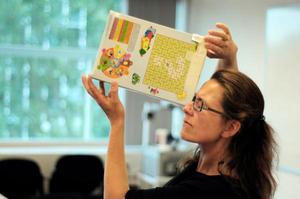
Build a Safe Sun Viewer
astroEDU educational activity (links to astroEDU website) Description: Build a safe Sun viewer using cheap household items and learn why it is dangerous to look directly at the Sun, even briefly.
License: CC-BY-4.0 Creative Commons Reconocimiento 4.0 Internacional (CC BY 4.0) íconos
Etiquetas:
Hands-on
, Safety
Rango de edades:
6-8
, 8-10
, 10-12
Nivel educativo:
Primaria
, Secondary
Áreas de aprendizaje:
Modelización
, Basado en la observación
Costos:
Bajo coste
Tamaño del grupo:
Grupo
Competencias:
Planificar y llevar a cabo investigaciones
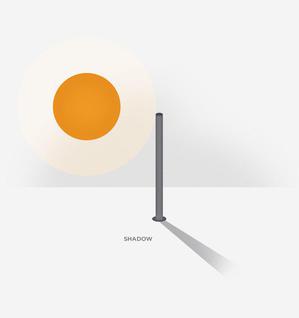
Sun’s Shadow
astroEDU educational activity (links to astroEDU website) Description: Why is the Sun's shadow so important?
License: CC-BY-4.0 Creative Commons Reconocimiento 4.0 Internacional (CC BY 4.0) íconos
Etiquetas:
Hands-on
, Shadows
Rango de edades:
6-8
, 8-10
, 10-12
, 12-14
, 14-16
Nivel educativo:
Educación no forma
, Educación secundaria
, Primaria
, Secondary
Áreas de aprendizaje:
Basado en la observación
, Aprendizaje basado en la investigación estructurada
Costos:
Coste medio
Duración:
1 día
Tamaño del grupo:
Grupo
Competencias:
Plantear preguntas
, Comunicar información
, Elaborar explicaciones
, Participar en debates basados en pruebas
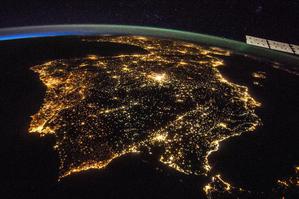
How Many Stars Can You See at Night?
astroEDU educational activity (links to astroEDU website) Description: Investigate the effects of light pollution on night sky observation.
License: CC-BY-4.0 Creative Commons Reconocimiento 4.0 Internacional (CC BY 4.0) íconos
Etiquetas:
Software
, ecology
, Observation of sky
, Pollution
, Constellations
, stellarium
Rango de edades:
12-14
Nivel educativo:
Educación secundaria
Áreas de aprendizaje:
Basado en la observación
, Aprendizaje basado en la investigación estructurada
Costos:
Bajo coste
Duración:
45 minutos
Tamaño del grupo:
Grupo
Competencias:
Analizar e interpretar datos
, Comunicar información
, Planificar y llevar a cabo investigaciones
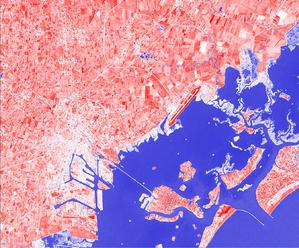
A View from Above
astroEDU educational activity (links to astroEDU website) Description: How do satellites take images of the Earth surface and how do we analyse and use them?
License: CC-BY-4.0 Creative Commons Reconocimiento 4.0 Internacional (CC BY 4.0) íconos
Etiquetas:
Maps
, Climate
, Landsat
, Earth observation
, Sentinel
, Copernicus
, Remote sensing
, Vegetation
Rango de edades:
14-16
, 16-19
Nivel educativo:
Educación secundaria
, Secondary
Áreas de aprendizaje:
Aprendizaje basado en la investigación estructurada
Costos:
Bajo coste
Duración:
1 hora y 30 minutos
Tamaño del grupo:
Grupo
Competencias:
Analizar e interpretar datos
, Plantear preguntas
, Comunicar información
, Elaborar explicaciones
, Desarrollar y utilizar modelos
, Participar en debates basados en pruebas
, Utilizar las matemáticas y el pensamiento computacional
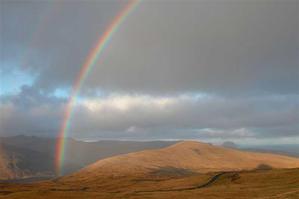
Reading the Rainbow
astroEDU educational activity (links to astroEDU website) Description: By understanding how rainbows work, you can discover about light and its properties, learning about stars, nebulae, galaxies, and our Universe.
License: CC-BY-4.0 Creative Commons Reconocimiento 4.0 Internacional (CC BY 4.0) íconos
Rango de edades:
14-16
, 16-19
, 19+
Nivel educativo:
Educación no forma
, Educación secundaria
, Secondary
, Universitario
Áreas de aprendizaje:
Clase interactiva
, Basado en la observación
, Aprendizaje basado en la investigación estructurada
Costos:
Bajo coste
Duración:
1 hora y 30 minutos
Tamaño del grupo:
Grupo
Competencias:
Analizar e interpretar datos
, Plantear preguntas
, Participar en debates basados en pruebas






.jpg)
