Termine del Glossario Luce
Descrizione La luce è una radiazione elettromagnetica visibile a occhio nudo. La lunghezza d'onda della luce che può essere vista dall'uomo va dai 380 ai 750 nanometri (nm), anche se la maggior parte delle persone ha una bassissima sensibilità alla luce con lunghezza d'onda inferiore a 400 nm. Si tratta di una piccola parte dello spettro elettromagnetico che presenta un'ampia gamma di lunghezze d'onda, dai raggi gamma (le più corte) alle onde radio (le più lunghe). Le proprietà fondamentali della luce sono l'intensità, la direzione di propagazione, la frequenza, lo spettro e la polarizzazione. La sua velocità nel vuoto è definita come esattamente corrispondente a 299.792.458 metri al secondo, e questa è una delle costanti fondamentali della natura. Il colore della luce dipende dalla sua lunghezza d'onda. La luce blu ha la lunghezza d'onda più corta nello spettro visibile, mentre quella rossa è la più lunga. La luce ha diverse fonti, naturali e artificiali; la principale fonte di luce sulla Terra è il Sole. La luce viene emessa e assorbita in piccoli "pacchetti" chiamati fotoni che possono essere studiati come particelle, oppure come onde. Questa proprietà è chiamata dualismo onda-particella.
Termini correlati
Vedi questo termine in altre lingue
status del termine e della definizione La definizione originale di questo termine in inglese é stata approvata da un ricercatore astronomo e da un docente La traduzione di questo termine e della sua definizione sono state approvate da un ricercatore astronomo e da un docente
Il Glossario Multilingue OAE é un progetto dell'Ufficio IAU per la didatticadell'astronomia (OAE) in collaborazione con l'ufficio IAU per la DivulgazioneAstronomica (OAO). I termini e le definizioni sono stater scelte, scritte eriviste da un impegno collettivo da parte di OAE, i Centri e i Nodi OAE e i Coordinatori Nazionali per la Didattica dell'Astronomia e da altri volontari.Potete trovare una lista completa dei crediti, Tutti i termini del glossarioE le definizioni sono pubblicate su Creative Commons CC BY-4.0 licenza e dovrebbero essere accreditate ad IAU OAE.Se noti un errore di fatto o di traduzione in questo termine del glossario, per favore contattaci.
File multimediali correlati

Dispersione della luce da parte di un prisma triangolare
Didascalia: Questa fotografia mostra un prisma che scompone un raggio di luce bianca nei colori che lo compongono: una splendida dimostrazione di ottica, la branca della fisica che studia il comportamento della luce e la sua interazione con i materiali. Quando la luce bianca entra nel prisma, le diverse lunghezze d’onda (colori) subiscono deviazioni di entità diversa a causa di un processo chiamato rifrazione. Questa separazione dei colori produce uno spettro — simile a un arcobaleno — che rivela come la luce bianca sia in realtà costituita da molti colori combinati che vanno dal blu, passando per il verde e il giallo, fino al rosso.
La comprensione dell’ottica aiuta scienziati e ingegneri a progettare lenti, microscopi, telescopi, fotocamere e molti altri strumenti che modellano e controllano la luce per usi pratici. Il modo in cui il prisma disperde la luce in uno spettro è lo stesso principio che fa formarsi gli arcobaleni nel cielo quando la luce del sole attraversa le gocce di pioggia.
Crediti: Kelvinsong
link ai crediti
License: CC0 CC0 1.0 Universal (CC0 1.0) Donazione al Pubblico Dominio icone
Attività correlate
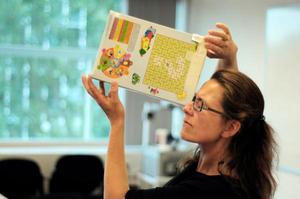
Build a Safe Sun Viewer
astroEDU educational activity (links to astroEDU website) Description: Build a safe Sun viewer using cheap household items and learn why it is dangerous to look directly at the Sun, even briefly.
License: CC-BY-4.0 Creative Commons Attribuzione 4.0 Internazionale (CC BY 4.0) icone
Etichette:
Hands-on
, Safety
Fasce d'età
6-8
, 8-10
, 10-12
Livello di istruzione
Primary
, Secondary
Aree di apprendimento
Modelling
, Observation based
Costi:
Low Cost
Dimensione del Gruppo:
Group
Abilità:
Planning and carrying out investigations
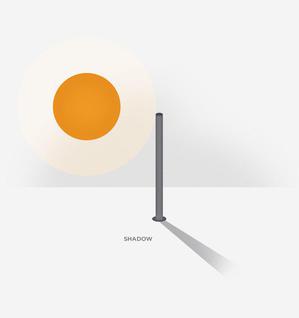
Sun’s Shadow
astroEDU educational activity (links to astroEDU website) Description: Why is the Sun's shadow so important?
License: CC-BY-4.0 Creative Commons Attribuzione 4.0 Internazionale (CC BY 4.0) icone
Etichette:
Hands-on
, Shadows
Fasce d'età
6-8
, 8-10
, 10-12
, 12-14
, 14-16
Livello di istruzione
Informal
, Middle School
, Primary
, Secondary
Aree di apprendimento
Observation based
, Structured-inquiry learning
Costi:
Medium Cost
Durata:
1 day
Dimensione del Gruppo:
Group
Abilità:
Asking questions
, Communicating information
, Constructing explanations
, Engaging in argument from evidence
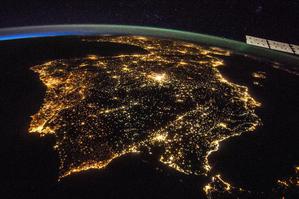
How Many Stars Can You See at Night?
astroEDU educational activity (links to astroEDU website) Description: Investigate the effects of light pollution on night sky observation.
License: CC-BY-4.0 Creative Commons Attribuzione 4.0 Internazionale (CC BY 4.0) icone
Etichette:
Software
, ecology
, Observation of sky
, Pollution
, Constellations
, stellarium
Fasce d'età
12-14
Livello di istruzione
Middle School
Aree di apprendimento
Observation based
, Structured-inquiry learning
Costi:
Low Cost
Durata:
45 mins
Dimensione del Gruppo:
Group
Abilità:
Analysing and interpreting data
, Communicating information
, Planning and carrying out investigations
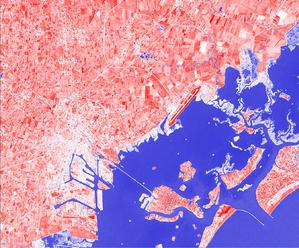
A View from Above
astroEDU educational activity (links to astroEDU website) Description: How do satellites take images of the Earth surface and how do we analyse and use them?
License: CC-BY-4.0 Creative Commons Attribuzione 4.0 Internazionale (CC BY 4.0) icone
Etichette:
Maps
, Climate
, Landsat
, Earth observation
, Sentinel
, Copernicus
, Remote sensing
, Vegetation
Fasce d'età
14-16
, 16-19
Livello di istruzione
Middle School
, Secondary
Aree di apprendimento
Structured-inquiry learning
Costi:
Low Cost
Durata:
1 hour 30 mins
Dimensione del Gruppo:
Group
Abilità:
Analysing and interpreting data
, Asking questions
, Communicating information
, Constructing explanations
, Developing and using models
, Engaging in argument from evidence
, Using mathematics and computational thinking
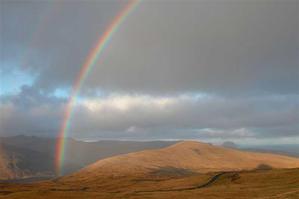
Reading the Rainbow
astroEDU educational activity (links to astroEDU website) Description: By understanding how rainbows work, you can discover about light and its properties, learning about stars, nebulae, galaxies, and our Universe.
License: CC-BY-4.0 Creative Commons Attribuzione 4.0 Internazionale (CC BY 4.0) icone
Fasce d'età
14-16
, 16-19
, 19+
Livello di istruzione
Informal
, Middle School
, Secondary
, University
Aree di apprendimento
Interactive Lecture
, Observation based
, Structured-inquiry learning
Costi:
Low Cost
Durata:
1 hour 30 mins
Dimensione del Gruppo:
Group
Abilità:
Analysing and interpreting data
, Asking questions
, Engaging in argument from evidence







.jpg)
