Termine del Glossario Notte
Descrizione La notte è un periodo di oscurità in cui il sole è al di sotto l'orizzonte. La notte dura dal tramonto all'alba. Sulla maggior parte della Terra, ogni giorno di 24 ore ha una notte. Tuttavia, a nord del Circolo Polare Artico e a sud del Circolo Polare Antartico, ci sono periodi di oscurità intorno al solstizio d'inverno in cui la notte polare può durare mesi. In queste aree non c'è notte intorno al solstizio d'estate.
Il periodo in cui il Sole è appena sotto l'orizzonte è chiamato crepuscolo. Durante il crepuscolo, il Sole illumina ancora parte del cielo. Il crepuscolo si divide in tre periodi uguali: crepuscolo civile, crepuscolo nautico e crepuscolo astronomico. Durante il crepuscolo civile - quando il Sole si trova da zero a sei gradi sotto l'orizzonte - il cielo è relativamente luminoso, quindi spesso non è necessaria l'illuminazione artificiale come quella stradale. Il crepuscolo nautico - quando il Sole si trova tra i sei e i dodici gradi sotto l'orizzonte - è caratterizzato da stelle luminose e da un cielo abbastanza luminoso da poter vedere l'orizzonte anche in una notte senza luna. Ciò consente ai marinai di navigare utilizzando la navigazione celeste. Durante il crepuscolo astronomico il Sole è da dodici a diciotto gradi al di sotto l'orizzonte.
Termini correlati
- Grado
- Orizzonte
- Solstizio
- Sole
- Giorno
- Circolo Polare Artico
- Circolo polare antartico
- Giornata polare
- Notte polare
Vedi questo termine in altre lingue
status del termine e della definizione La definizione originale di questo termine in inglese é stata approvata da un ricercatore astronomo e da un docente La traduzione di questo termine e della sua definizione sono ancora in attesa di approvazione
Il Glossario Multilingue OAE é un progetto dell'Ufficio IAU per la didatticadell'astronomia (OAE) in collaborazione con l'ufficio IAU OAO per la DivulgazioneAstronomica (OAO). I termini e le definizioni sono stater scelte, scritte eriviste da un impegno collettivo da parte di OAE, i Centri e i Nodi OAE e iCoordinatori Nazionali per la Didattica dell'Astronomia e da altri volontari.Potete trovare una lista completa dei crediti, Tutti i termini del glossarioE le definizioni sono pubblicate su Creative Commons CC BY-4.0 licenza e dovrebbero essere accreditate ad IAU OAE.
Se noti un errore di fatto o di traduzione in questo termine del glossario, per favore contattaci.
File multimediali correlati

Il Giappone di notte visto dalla Stazione Spaziale Internazionale
Didascalia: Questa fotografia notturna della Terra è stata scattata dalla Stazione Spaziale Internazionale (ISS) dall’astronauta Scott Kelly nel 2015, durante la Missione 44. L’immagine ritrae il Giappone illuminato dopo il tramonto, con le luci brillanti delle città che delineano i centri urbani, le principali arterie stradali e le regioni densamente popolate. La vista dall'orbita di notte mette in evidenza come l'attività umana si manifesti sotto forma di giochi di luce sulla superficie terrestre, con aree ben illuminate che contrastano nettamente con l'oscurità circostante delle regioni rurali e del mare aperto.
Fotografie come questa evidenziano l'aspetto della "notte" vista dallo spazio: non solo un'assenza di luce solare, ma anche un momento in cui la luce artificiale rivela i ritmi della vita umana in tutto il mondo. Da centinaia di chilometri sopra il pianeta, il lato notturno della Terra appare come un arazzo di amassi luminosi e spazi bui, offrendo una visione della distribuzione della popolazione, delle infrastrutture e di come le città rimangano attive a lungo dopo il tramonto. L'orbita bassa della ISS consente agli astronauti di catturare queste immagini dettagliate della Terra dopo il tramonto, aiutandoci ad apprezzare gli elementi naturali ed umani della notte sul nostro pianeta.
Crediti: Agenzia spaziale statunitense
link ai crediti
License: PD Dominio Pubblico icone
Attività correlate
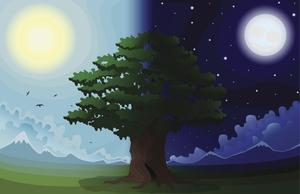
Why Do We Have Day and Night?
astroEDU educational activity (links to astroEDU website) Description: Explore day and night of Earth.
License: CC-BY-4.0 Creative Commons Attribuzione 4.0 Internazionale (CC BY 4.0) icone
Etichette:
Tilt
Fasce d'età
6-8
, 8-10
, 10-12
Livello di istruzione
Primary
, Secondary
Aree di apprendimento
Modelling
, Simulation focussed
, Structured-inquiry learning
Costi:
Low Cost
Durata:
1 hour 30 mins
Dimensione del Gruppo:
Group
Abilità:
Asking questions
, Communicating information
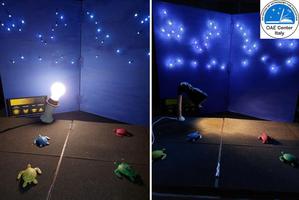
Let there be light… but not too much!
astroEDU educational activity (links to astroEDU website) Description: Build a model to learn what light pollution is and what its effects are.
License: CC-BY-4.0 Creative Commons Attribuzione 4.0 Internazionale (CC BY 4.0) icone
Etichette:
Pollution
, sky observation
, lighting source
Fasce d'età
6-8
, 8-10
, 10-12
Livello di istruzione
Middle School
, Primary
Aree di apprendimento
Discussion Groups
, Modelling
, Observation based
, Project-based learning
Costi:
Medium Cost
Durata:
2 hours
Dimensione del Gruppo:
Group
Abilità:
Asking questions
, Developing and using models
, Engaging in argument from evidence