Termo do glossário: Tempo
Descrição: Todos nós temos uma ideia básica do que é o tempo: uma progressão de eventos, um após o outro, desde o passado, passando pelo presente, até o futuro. No entanto, o tempo não é algo que possa ser visto, ouvido, cheirado, tocado ou provado. Mas ele pode ser medido, e esse é o aspecto do tempo que importa na astronomia e na física.
Medimos o tempo comparando a duração de qualquer coisa que está acontecendo com a duração medida em um relógio ou, para períodos de tempo mais longos, em um calendário. Tradicionalmente, as medidas de tempo desse tipo têm se baseado na rotação da Terra. O tempo que a Terra leva para completar uma rotação completa (conforme julgado pela posição do Sol) define a duração de um dia. As subdivisões usuais - um dia dividido em 24 horas, cada hora dividida em 60 minutos e cada minuto em 60 segundos - fornecem unidades adicionais de tempo.
Desde 1967, a definição de tempo tem se baseado na duração de um segundo, conforme medido por um relógio atômico de Césio-133 ("segundo SI"). Vários sistemas de tempo são definidos nesta base, notavelmente o Tempo Universal (UTC), que é usado na cronometragem oficial em todo o mundo, que é conhecido como Data Juliana e suas variações, uma contagem contínua de dias usada na astronomia.
A teoria da relatividade geral e restrita de Einstein mostraram que o tempo que passa em um relógio depende tanto do movimento quanto da influência da gravidade desse relógio. Esses efeitos relativísticos precisam ser levados em conta em medições de tempo altamente precisas, como as que utilizam os satélites do Sistema de Posicionamento Global (GPS).
Termos relacionados:
Ver este termo em outros idiomas
Status do termo e da definição: A definição original deste termo em inglês foi aprovada por um astrônomo(a) pesquisador(a) e um(a) professor(a) A tradução deste termo e de sua definição ainda aguarda aprovação
O Glossário Multilíngue da OAE é um projeto do Escritório da IAU de Astronomia para a Educação (OAE) em colaboração com o Escritório da IAU para Divulgação da Astronomia (OAO). Os termos e definições foram selecionados, escritos e revisados por meio de um esforço coletivo da OAE, dos Centros e Nós da OAE, dos Coordenadores Nacionais de Educação em Astronomia (NAECs) da OAE e de outros voluntários. Você pode encontrar uma lista completa dos créditos aqui. Todos os termos do glossário e suas definições são disponibilizados sob uma licença Creative Commons CC BY-4.0 e devem ser creditados à "IAU OAE".
Se você notar algum erro factual ou de tradução neste termo do glossário ou em sua definição, por favor entre em contato.
Atividades relacionadas
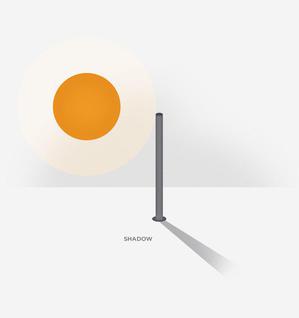
Sun’s Shadow
astroEDU educational activity (links to astroEDU website) Description: Why is the Sun's shadow so important?
License: CC-BY-4.0 Creative Commons Attribution 4.0 International (CC BY 4.0) ícones
Tags:
Hands-on
, Shadows
Faixas etárias:
6-8
, 8-10
, 10-12
, 12-14
, 14-16
Nível de ensino:
Informal
, Ensino fundamental
, Básico
, Médio
Áreas de aprendizagem:
Baseado em observação
, Aprendizagem por investigação estruturada
Custos:
Custo médio
Duração:
1 dia
Tamanho do grupo:
Grupo
Habilidades:
Fazer perguntas
, Comunicar informações
, Construir explicações
, Engajar-se em argumentação com base em evidências
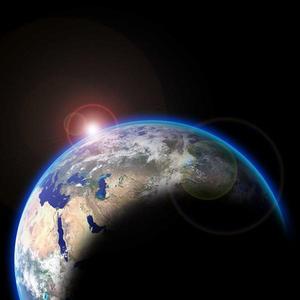
Day and Night in the World
astroEDU educational activity (links to astroEDU website) Description: Compare diurnal and nocturnal animals and experiment with day and night.
License: CC-BY-4.0 Creative Commons Attribution 4.0 International (CC BY 4.0) ícones
Tags:
Life
, Model
, Animals
, Day and night
Faixas etárias:
6-8
, 8-10
Nível de ensino:
Básico
Áreas de aprendizagem:
Aula interativa
, Modelagem
, Aprendizagem por investigação estruturada
Custos:
Baixo custo
Duração:
1 hour
Tamanho do grupo:
Grupo
Habilidades:
Fazer perguntas
, Construir explicações
, Desenvolver e usar modelos
, Planejar e realizar pesquisas

What Is Time?
astroEDU educational activity (links to astroEDU website) Description: Build an hourglass to understand what time is and how it can be measured.
License: CC-BY-4.0 Creative Commons Attribution 4.0 International (CC BY 4.0) ícones
Tags:
Hands-on
, Measurement
, Day and night
, Measure
, Instruments
Faixas etárias:
6-8
, 8-10
, 10-12
Nível de ensino:
Ensino fundamental
, Básico
Áreas de aprendizagem:
Modelagem
, Resolução de problemas
, Aprendizagem por investigação estruturada
Custos:
Custo médio
Duração:
1 hour
Tamanho do grupo:
Grupo
Habilidades:
Fazer perguntas
, Desenvolver e usar modelos
, Planejar e realizar pesquisas
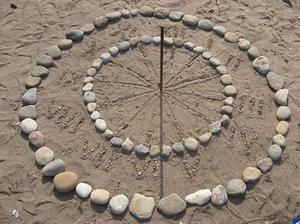
Making a Sundial
astroEDU educational activity (links to astroEDU website) Description: Build a sundial and discover how time can be measured.
License: CC-BY-4.0 Creative Commons Attribution 4.0 International (CC BY 4.0) ícones
Tags:
Hands-on
, Measurement
, Measure
, History
, Clocks
Faixas etárias:
6-8
, 8-10
, 10-12
Nível de ensino:
Ensino fundamental
, Básico
Áreas de aprendizagem:
Modelagem
, Baseado em observação
, Aprendizagem por investigação estruturada
Custos:
Custo médio
Duração:
1 hour
Tamanho do grupo:
Grupo
Habilidades:
Analisar e interpretar dados
, Fazer perguntas
, Comunicar informações
, Desenvolver e usar modelos
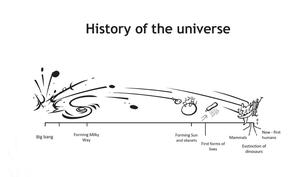
History of the Universe
astroEDU educational activity (links to astroEDU website) Description: Build a timeline of the all Universe!
License: CC-BY-4.0 Creative Commons Attribution 4.0 International (CC BY 4.0) ícones
Tags:
History
, Timeline
, Mathematics
, Humans
Faixas etárias:
8-10
, 10-12
, 12-14
Nível de ensino:
Ensino fundamental
, Básico
Áreas de aprendizagem:
Resolução de problemas
, Aprendizagem por investigação estruturada
Custos:
Baixo custo
Duração:
1 hour 30 mins
Tamanho do grupo:
Grupo
Habilidades:
Fazer perguntas
, Comunicar informações
, Desenvolver e usar modelos
, Usar matemática e pensamento computacional