Término del glosario: Calentamiento global
Descripción: El calentamiento global es el aumento de la temperatura de la atmósfera de un planeta debido a los gases de efecto invernadero, como las moléculas de agua, el dióxido de carbono, el metano, etc. Esto se debe a un aumento del efecto invernadero, por el que la atmósfera retiene una mayor cantidad de radiación infrarroja, lo que provoca un aumento de la temperatura media global del planeta. Las fuentes de gases de efecto invernadero pueden ser naturales o (en la Tierra) estar provocadas además por la actividad industrial humana. El calentamiento global en la Tierra tendrá efectos significativos a muy largo plazo en el planeta, incluyendo cambios a corto y medio plazo en los patrones climáticos locales, la destrucción de hábitats y el aumento del nivel del mar.
Términos relacionados:
Ver este término en otros idiomas
Estado del término y la definición: La definición original de este término en inglés ha sido aprobada por unastrónomo o astrónoma investigadora y un docente La traducción de este término y su definición aún están pendientes de aprobación
El Glosario multilingüe de la OAE es un proyecto de la Oficina de Astronomía para la Educación de la UAI (OAE) en colaboración con la Oficina de Divulgación de Astronomía de la UAI (OAO). Los términos y definiciones fueron seleccionados, redactados y revisados gracias al esfuerzo colectivo de la OAE, los Centros y Nodos de la OAE, los Coordinadores Nacionales de Educación Astronómica (NAECs) y otros voluntarios. Puedes encontrar una lista completa de créditos aquí. Todos los términos del glosario y sus definiciones se publican bajo la licencia Creative Commons CC BY-4.0 y deben atribuirse a la "IAU OAE".
Si detectas algún error de contenido o de traducción en este término del glosario o en ladefinición, ponte en contacto con nosotros.
En otros idiomas
- Árabe: الإحتباس الحرارى
- Alemán: Globale Erwärmung
- Inglés: Global Warming
- Francés: Réchauffement climatique
- Italiano: Riscaldamento globale
- Japonés: 地球温暖化 (enlace externo)
- Coreano: 전지구온난화
- Portugués de Brasil: Aquecimento global
- Chino simplificado: 全球气候变暖
- Chino tradicional: 全球氣候變暖
Contenidos relacionados

Global Temperature Trends: Past 50 Years
Pie de foto: This map visualizes the changes in surface air temperature across the globe over the past half-century. Through meticulous analysis of annual averages, the map highlights the most significant trends in temperature change, particularly emphasizing shifts in northern latitudes and over land masses.
Crédito: NASA’s Scientific Visualization Studio, Key and Title by Eric Fisk
enlace de crédito
License: CC-BY-4.0 Creative Commons Reconocimiento 4.0 Internacional (CC BY 4.0) íconos
Actividades relacionadas
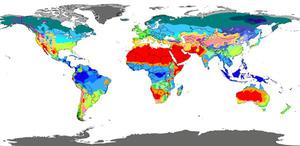
Continental Climate and Oceanic Climate
astroEDU educational activity (links to astroEDU website) Description: Find out why, in the summer it is cooler by the sea than on the land!
License: CC-BY-4.0 Creative Commons Reconocimiento 4.0 Internacional (CC BY 4.0) íconos
Etiquetas:
Climate change
, Climate
, Ocean
Rango de edades:
6-8
, 8-10
Nivel educativo:
Primaria
Áreas de aprendizaje:
Modelización
, Aprendizaje basado en la investigación estructurada
, Experimento científico tradicional
Costos:
Coste medio
Duración:
45 minutos
Tamaño del grupo:
Grupo
Competencias:
Analizar e interpretar datos
, Plantear preguntas
, Elaborar explicaciones
, Participar en debates basados en pruebas
, Planificar y llevar a cabo investigaciones
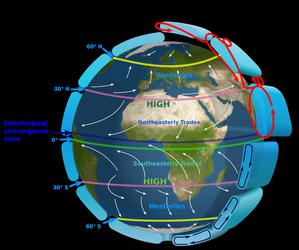
The Intertropical Convergence Zone
astroEDU educational activity (links to astroEDU website) Description: The air circulation system: how are winds created?
License: CC-BY-4.0 Creative Commons Reconocimiento 4.0 Internacional (CC BY 4.0) íconos
Etiquetas:
Climate
, Updraft
, Convection
, Winds
Rango de edades:
12-14
, 14-16
Nivel educativo:
Educación secundaria
Áreas de aprendizaje:
Grupos de discusión
, Modelización
, Aprendizaje basado en la investigación estructurada
Costos:
Coste medio
Duración:
1 hora
Tamaño del grupo:
Grupo
Competencias:
Comunicar información
, Elaborar explicaciones
, Desarrollar y utilizar modelos
, Participar en debates basados en pruebas
, Planificar y llevar a cabo investigaciones
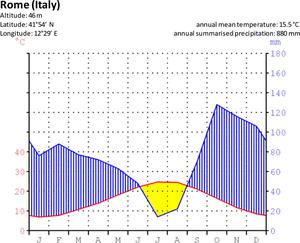
The Climate in Numbers and Graphs
astroEDU educational activity (links to astroEDU website) Description: Learn about climate from data and graphs
License: CC-BY-4.0 Creative Commons Reconocimiento 4.0 Internacional (CC BY 4.0) íconos
Etiquetas:
Climate
, Average
, Climate zone
, Weather
Rango de edades:
14-16
, 16-19
Nivel educativo:
Secondary
Áreas de aprendizaje:
Aprendizaje basado en la investigación estructurada
Costos:
Bajo coste
Duración:
2 horas
Tamaño del grupo:
Grupo
Competencias:
Analizar e interpretar datos
, Plantear preguntas
, Comunicar información
, Elaborar explicaciones
, Desarrollar y utilizar modelos
, Participar en debates basados en pruebas
, Utilizar las matemáticas y el pensamiento computacional
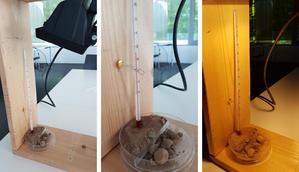
Oceans As A Heat Reservoir
astroEDU educational activity (links to astroEDU website) Description: Why do oceans play an important role in mitigating global warming?
License: CC-BY-4.0 Creative Commons Reconocimiento 4.0 Internacional (CC BY 4.0) íconos
Etiquetas:
Life
, Climate change
, Oceans
, heat
Rango de edades:
12-14
, 14-16
, 16-19
Nivel educativo:
Educación secundaria
Áreas de aprendizaje:
Modelización
, Aprendizaje basado en la investigación estructurada
, Experimento científico tradicional
Costos:
Coste medio
Duración:
1 hora y 30 minutos
Tamaño del grupo:
Grupo
Competencias:
Analizar e interpretar datos
, Elaborar explicaciones
, Desarrollar y utilizar modelos
, Participar en debates basados en pruebas
, Planificar y llevar a cabo investigaciones
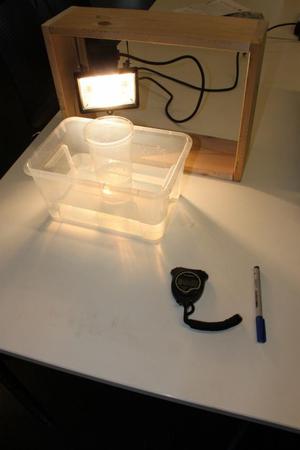
The Big Meltdown
astroEDU educational activity (links to astroEDU website) Description: Learn what would happen on Earth if all the ice melted!
License: CC-BY-4.0 Creative Commons Reconocimiento 4.0 Internacional (CC BY 4.0) íconos
Etiquetas:
Life
, Climate change
, Remote sensing
, Oceans
, Water
, Antarctic
, Arctic
, Ice
, Archimedes
Rango de edades:
8-10
, 10-12
, 12-14
Nivel educativo:
Educación secundaria
, Primaria
, Secondary
Áreas de aprendizaje:
Grupos de discusión
, Modelización
, Aprendizaje basado en la investigación estructurada
, Experimento científico tradicional
Costos:
Coste medio
Duración:
45 minutos
Tamaño del grupo:
Grupo
Competencias:
Analizar e interpretar datos
, Plantear preguntas
, Comunicar información
, Elaborar explicaciones
, Desarrollar y utilizar modelos
, Participar en debates basados en pruebas
, Planificar y llevar a cabo investigaciones