Termine del Glossario Riscaldamento globale
Descrizione Il riscaldamento globale è il riscaldamento dell'atmosfera di un pianeta a causa dei gas serra, come le molecole d'acqua, l'anidride carbonica, il metano, ecc. Ciò è causato da un aumento dell'effetto serra, in cui una maggiore quantità di radiazioni IR viene intrappolata dall'atmosfera, aumentando così la temperatura media globale di un pianeta. Le fonti dei gas serra possono essere naturali o (sulla Terra) anche causate dall'attività industriale dell'uomo. Il riscaldamento globale sulla Terra avrà effetti significativi a lungo termine sul pianeta, tra cui cambiamenti a breve e medio termine nei modelli meteorologici locali, distruzione degli habitat e innalzamento del livello del mare.
Termini correlati
Vedi questo termine in altre lingue
status del termine e della definizione La definizione originale di questo termine in inglese é stata approvata da un ricercatore astronomo e da un docente La traduzione di questo termine e della sua definizione sono state approvate da un ricercatore astronomo e da un docente
Il Glossario Multilingue OAE é un progetto dell'Ufficio IAU per la didatticadell'astronomia (OAE) in collaborazione con l'ufficio IAU per la DivulgazioneAstronomica (OAO). I termini e le definizioni sono stater scelte, scritte eriviste da un impegno collettivo da parte di OAE, i Centri e i Nodi OAE e i Coordinatori Nazionali per la Didattica dell'Astronomia e da altri volontari.Potete trovare una lista completa dei crediti, Tutti i termini del glossarioE le definizioni sono pubblicate su Creative Commons CC BY-4.0 licenza e dovrebbero essere accreditate ad IAU OAE.Se noti un errore di fatto o di traduzione in questo termine del glossario, per favore contattaci.
In Altre Lingue
- Arabo: الإحتباس الحرارى
- Tedesco: Globale Erwärmung
- Inglese: Global Warming
- Spagnolo: Calentamiento global
- Francese: Réchauffement climatique
- Giapponese: 地球温暖化 (external link)
- Coreano: 전지구온난화
- Brasiliano Portoghese: Aquecimento global
- Cinese semplificato: 全球气候变暖
- Cinese tradizionale: 全球氣候變暖
File multimediali correlati

Tendenze della temperatura globale: ultimi 50 anni
Didascalia: Questa mappa mostra i cambiamenti della temperatura superficiale dell'aria in tutto il mondo nell'ultimo mezzo secolo. Attraverso un'analisi meticolosa delle medie annuali, la mappa evidenzia le tendenze più significative del cambiamento di temperatura, sottolineando in particolare gli spostamenti alle latitudini settentrionali e sulle masse terrestri.
Crediti: Studio di visualizzazione scientifica della NASA, parole chiave e titolo di Eric Fisk
link ai crediti
License: CC-BY-4.0 Creative Commons Attribuzione 4.0 Internazionale (CC BY 4.0) icone
Attività correlate
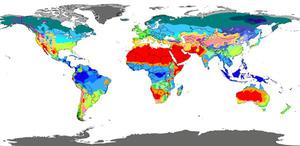
Continental Climate and Oceanic Climate
astroEDU educational activity (links to astroEDU website) Description: Find out why, in the summer it is cooler by the sea than on the land!
License: CC-BY-4.0 Creative Commons Attribuzione 4.0 Internazionale (CC BY 4.0) icone
Etichette:
Climate change
, Climate
, Ocean
Fasce d'età
6-8
, 8-10
Livello di istruzione
Primary
Aree di apprendimento
Modelling
, Structured-inquiry learning
, Traditional Science Experiment
Costi:
Medium Cost
Durata:
45 mins
Dimensione del Gruppo:
Group
Abilità:
Analysing and interpreting data
, Asking questions
, Constructing explanations
, Engaging in argument from evidence
, Planning and carrying out investigations
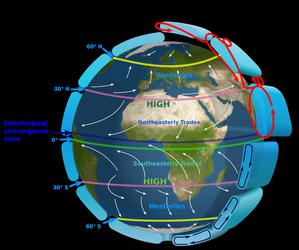
The Intertropical Convergence Zone
astroEDU educational activity (links to astroEDU website) Description: The air circulation system: how are winds created?
License: CC-BY-4.0 Creative Commons Attribuzione 4.0 Internazionale (CC BY 4.0) icone
Etichette:
Climate
, Updraft
, Convection
, Winds
Fasce d'età
12-14
, 14-16
Livello di istruzione
Middle School
Aree di apprendimento
Discussion Groups
, Modelling
, Structured-inquiry learning
Costi:
Medium Cost
Durata:
1 hour
Dimensione del Gruppo:
Group
Abilità:
Communicating information
, Constructing explanations
, Developing and using models
, Engaging in argument from evidence
, Planning and carrying out investigations
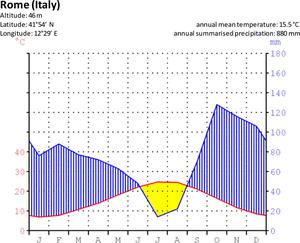
The Climate in Numbers and Graphs
astroEDU educational activity (links to astroEDU website) Description: Learn about climate from data and graphs
License: CC-BY-4.0 Creative Commons Attribuzione 4.0 Internazionale (CC BY 4.0) icone
Etichette:
Climate
, Average
, Climate zone
, Weather
Fasce d'età
14-16
, 16-19
Livello di istruzione
Secondary
Aree di apprendimento
Structured-inquiry learning
Costi:
Low Cost
Durata:
2 hours
Dimensione del Gruppo:
Group
Abilità:
Analysing and interpreting data
, Asking questions
, Communicating information
, Constructing explanations
, Developing and using models
, Engaging in argument from evidence
, Using mathematics and computational thinking
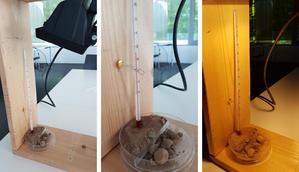
Oceans As A Heat Reservoir
astroEDU educational activity (links to astroEDU website) Description: Why do oceans play an important role in mitigating global warming?
License: CC-BY-4.0 Creative Commons Attribuzione 4.0 Internazionale (CC BY 4.0) icone
Etichette:
Life
, Climate change
, Oceans
, heat
Fasce d'età
12-14
, 14-16
, 16-19
Livello di istruzione
Middle School
Aree di apprendimento
Modelling
, Structured-inquiry learning
, Traditional Science Experiment
Costi:
Medium Cost
Durata:
1 hour 30 mins
Dimensione del Gruppo:
Group
Abilità:
Analysing and interpreting data
, Constructing explanations
, Developing and using models
, Engaging in argument from evidence
, Planning and carrying out investigations
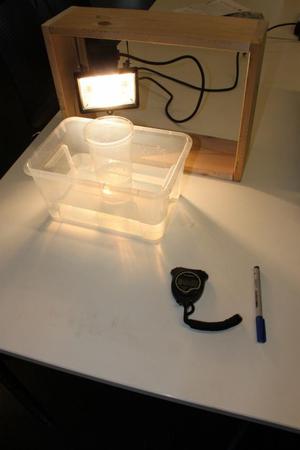
The Big Meltdown
astroEDU educational activity (links to astroEDU website) Description: Learn what would happen on Earth if all the ice melted!
License: CC-BY-4.0 Creative Commons Attribuzione 4.0 Internazionale (CC BY 4.0) icone
Etichette:
Life
, Climate change
, Remote sensing
, Oceans
, Water
, Antarctic
, Arctic
, Ice
, Archimedes
Fasce d'età
8-10
, 10-12
, 12-14
Livello di istruzione
Middle School
, Primary
, Secondary
Aree di apprendimento
Discussion Groups
, Modelling
, Structured-inquiry learning
, Traditional Science Experiment
Costi:
Medium Cost
Durata:
45 mins
Dimensione del Gruppo:
Group
Abilità:
Analysing and interpreting data
, Asking questions
, Communicating information
, Constructing explanations
, Developing and using models
, Engaging in argument from evidence
, Planning and carrying out investigations