Termo do glossário: Aquecimento global
Descrição: O aquecimento global é o aquecimento da atmosfera de um planeta por gases de efeito estufa, como moléculas de água, dióxido de carbono, metano etc. Isso é causado por um aumento no efeito estufa, em que mais radiação infravermelha é retida pela atmosfera, aumentando assim a temperatura média global de um planeta. As fontes de gases de efeito estufa podem ser naturais ou (na Terra) causadas adicionalmente pela atividade industrial humana. O aquecimento global na Terra terá efeitos significativos de longo prazo no planeta, incluindo mudanças de curto e médio prazo nos padrões climáticos locais, destruição de habitat e aumento do nível do mar.
Termos relacionados:
Ver este termo em outros idiomas
Status do termo e da definição: A definição original deste termo em inglês foi aprovada por um astrônomo(a) pesquisador(a) e um(a) professor(a) A tradução deste termo e de sua definição ainda aguarda aprovação
O Glossário Multilíngue da OAE é um projeto do Escritório da IAU de Astronomia para a Educação (OAE) em colaboração com o Escritório da IAU para Divulgação da Astronomia (OAO). Os termos e definições foram selecionados, escritos e revisados por meio de um esforço coletivo da OAE, dos Centros e Nós da OAE, dos Coordenadores Nacionais de Educação em Astronomia (NAECs) da OAE e de outros voluntários. Você pode encontrar uma lista completa dos créditos aqui. Todos os termos do glossário e suas definições são disponibilizados sob uma licença Creative Commons CC BY-4.0 e devem ser creditados à "IAU OAE".
Se você notar algum erro factual ou de tradução neste termo do glossário ou em sua definição, por favor entre em contato.
Em outros idiomas
- Árabe: الإحتباس الحرارى
- Alemão: Globale Erwärmung
- Inglês: Global Warming
- Espanhol: Calentamiento global
- Francês: Réchauffement climatique
- Italiano: Riscaldamento globale
- Japonês: 地球温暖化 (link externo)
- Coreano: 전지구온난화
- Chinês Simplificado: 全球气候变暖
- Chinês Tradicional: 全球氣候變暖
Mídia relacionada

Tendências globais de temperatura: últimos 50 anos
Legenda: Este mapa visualiza as mudanças na temperatura do ar na superfície em todo o mundo ao longo do último meio século. Através de uma análise meticulosa das médias anuais, o mapa destaca as tendências mais significativas de mudança de temperatura, enfatizando particularmente as mudanças nas latitudes do hemisfério norte e sobre as massas continentais.
Crédito: NASA’s Scientific Visualization Studio, Key and Title por Eric Fisk
link do crédito
License: CC-BY-4.0 Creative Commons Attribution 4.0 International (CC BY 4.0) ícones
Atividades relacionadas
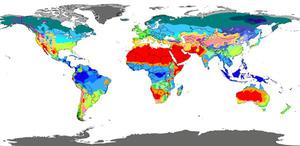
Continental Climate and Oceanic Climate
astroEDU educational activity (links to astroEDU website) Description: Find out why, in the summer it is cooler by the sea than on the land!
License: CC-BY-4.0 Creative Commons Attribution 4.0 International (CC BY 4.0) ícones
Tags:
Climate change
, Climate
, Ocean
Faixas etárias:
6-8
, 8-10
Nível de ensino:
Básico
Áreas de aprendizagem:
Modelagem
, Aprendizagem por investigação estruturada
, Experimento científico tradicional
Custos:
Custo médio
Duração:
45 mins
Tamanho do grupo:
Grupo
Habilidades:
Analisar e interpretar dados
, Fazer perguntas
, Construir explicações
, Engajar-se em argumentação com base em evidências
, Planejar e realizar pesquisas
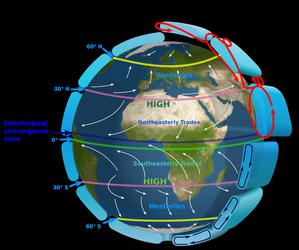
The Intertropical Convergence Zone
astroEDU educational activity (links to astroEDU website) Description: The air circulation system: how are winds created?
License: CC-BY-4.0 Creative Commons Attribution 4.0 International (CC BY 4.0) ícones
Tags:
Climate
, Updraft
, Convection
, Winds
Faixas etárias:
12-14
, 14-16
Nível de ensino:
Ensino fundamental
Áreas de aprendizagem:
Grupos de discussão
, Modelagem
, Aprendizagem por investigação estruturada
Custos:
Custo médio
Duração:
1 hour
Tamanho do grupo:
Grupo
Habilidades:
Comunicar informações
, Construir explicações
, Desenvolver e usar modelos
, Engajar-se em argumentação com base em evidências
, Planejar e realizar pesquisas
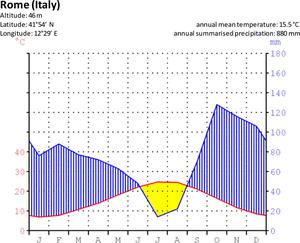
The Climate in Numbers and Graphs
astroEDU educational activity (links to astroEDU website) Description: Learn about climate from data and graphs
License: CC-BY-4.0 Creative Commons Attribution 4.0 International (CC BY 4.0) ícones
Tags:
Climate
, Average
, Climate zone
, Weather
Faixas etárias:
14-16
, 16-19
Nível de ensino:
Médio
Áreas de aprendizagem:
Aprendizagem por investigação estruturada
Custos:
Baixo custo
Duração:
2 hours
Tamanho do grupo:
Grupo
Habilidades:
Analisar e interpretar dados
, Fazer perguntas
, Comunicar informações
, Construir explicações
, Desenvolver e usar modelos
, Engajar-se em argumentação com base em evidências
, Usar matemática e pensamento computacional
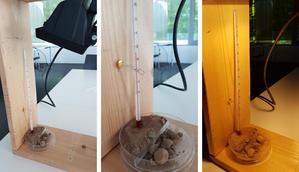
Oceans As A Heat Reservoir
astroEDU educational activity (links to astroEDU website) Description: Why do oceans play an important role in mitigating global warming?
License: CC-BY-4.0 Creative Commons Attribution 4.0 International (CC BY 4.0) ícones
Tags:
Life
, Climate change
, Oceans
, heat
Faixas etárias:
12-14
, 14-16
, 16-19
Nível de ensino:
Ensino fundamental
Áreas de aprendizagem:
Modelagem
, Aprendizagem por investigação estruturada
, Experimento científico tradicional
Custos:
Custo médio
Duração:
1 hour 30 mins
Tamanho do grupo:
Grupo
Habilidades:
Analisar e interpretar dados
, Construir explicações
, Desenvolver e usar modelos
, Engajar-se em argumentação com base em evidências
, Planejar e realizar pesquisas
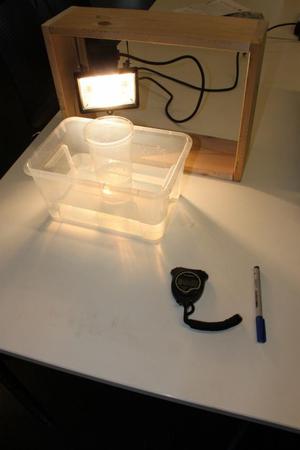
The Big Meltdown
astroEDU educational activity (links to astroEDU website) Description: Learn what would happen on Earth if all the ice melted!
License: CC-BY-4.0 Creative Commons Attribution 4.0 International (CC BY 4.0) ícones
Tags:
Life
, Climate change
, Remote sensing
, Oceans
, Water
, Antarctic
, Arctic
, Ice
, Archimedes
Faixas etárias:
8-10
, 10-12
, 12-14
Nível de ensino:
Ensino fundamental
, Básico
, Médio
Áreas de aprendizagem:
Grupos de discussão
, Modelagem
, Aprendizagem por investigação estruturada
, Experimento científico tradicional
Custos:
Custo médio
Duração:
45 mins
Tamanho do grupo:
Grupo
Habilidades:
Analisar e interpretar dados
, Fazer perguntas
, Comunicar informações
, Construir explicações
, Desenvolver e usar modelos
, Engajar-se em argumentação com base em evidências
, Planejar e realizar pesquisas