بلغات أخرى
- الألمانيّة: Meteoriten
- الإنجليزيّة: Meteorite
- الإسبانيّة: Meteorito
- الفرنسيّة: Météorites
- الإيطاليّة: Meteorite
- اليابانيّة: 隕石 (رابط خارجي)
- النيبالية: उल्कापिण्ड
- البرتغاليّة البرازيليّة: Meteoritos
- الصينيّة المبسطة: 陨石
- الصينيّة التقليدية: 隕石
وسائط ذات صلة

Iron Meteorite
الشرح: This iron meteorite was originally found in Harriman, Tennessee, USA and is now held in the collection of the Smithsonian Natural History Museum, Washington DC, USA. The total mass of the meteorite was about 30kg. Here we see the interior after the meteorite was cut into pieces.
Iron meteorites are largely composed of an iron-nickel. They also often have a crystalline structure which manifests here as a series of crossing shiny straight lines known as a Widmanstätten pattern. This is thought to have formed as the meteoroid (the object that would eventually fall through the Earth's atmosphere as a meteor and land on the ground as a meteorite) cooled very slowly in the vacuum of space in the early solar system. This led to the growth of this crystalline structure.
المصدر: Chuck Sutherland
رابط المصدر
License: PD الملكية العامة أيقونات
الأنشطة المرتبطة
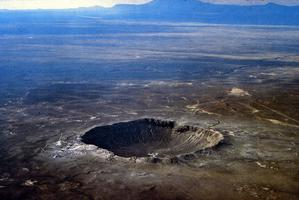
Meteoroids, Meteors and Meteorites
astroEDU educational activity (links to astroEDU website) Description: Unveiling the mystery of "shooting stars": meteors, meteorites and meteroids
License: CC-BY-4.0 المشاع الإبداعي نَسب المُصنَّف 4.0 دولي (CC BY 4.0) أيقونات
وسوم:
Geology
الفئات العمرية:
6-8
, 8-10
, 10-12
, 12-14
المرحلة التعليمية:
المرحلة المتوسطة
, المرحلة الابتدائية
مجالات التعلم:
محاضرة تفاعلية
التكاليف:
تكلفة منخفضة
المدة:
ساعة ونصف
حجم المجموعة:
جماعي
المهارات:
تحليل البيانات وتفسيرها
, طرح الأسئلة
, توصيل المعلومات
, بناء حجج استنادًا إلى الأدلة