Termo do glossário: Terra
Descrição: A Terra é o terceiro planeta a partir do Sol e o quinto maior planeta do Sistema Solar. É um planeta rochoso, do tipo terrestre, com um raio de aproximadamente 6.400 quilômetros (km). Sua massa é de cerca de seis trilhões de trilhões de quilogramas.
A distância média da Terra ao Sol é de cerca de 150 milhões de quilômetros. Essa distância é definida como uma unidade astronômica. A Terra leva 365,26 dias para completar uma órbita ao redor do Sol. A Terra possui um satélite natural conhecido como Lua.
A Terra abriga milhões de espécies de seres vivos, incluindo os seres humanos; é o único lugar conhecido até hoje onde existe vida no Universo. Acredita-se que ela tenha se formado há cerca de 4,54 bilhões de anos. A Terra possui uma atmosfera e uma magnetosfera que atuam para bloquear a radiação prejudicial e, assim, permitem a multiplicação de organismos vivos. Ela também possui extensas áreas cobertas por água líquida em sua superfície (uma característica única entre os planetas do Sistema Solar conhecidos) o que confere uma aparência azulada no planeta quando observado do espaço.
Termos relacionados:
Ver este termo em outros idiomas
Status do termo e da definição: A definição original deste termo em inglês foi aprovada por um astrônomo(a) pesquisador(a) e um(a) professor(a) A tradução deste termo e de sua definição ainda aguarda aprovação
O Glossário Multilíngue da OAE é um projeto do Escritório da IAU de Astronomia para a Educação (OAE) em colaboração com o Escritório da IAU para Divulgação da Astronomia (OAO). Os termos e definições foram selecionados, escritos e revisados por meio de um esforço coletivo da OAE, dos Centros e Nós da OAE, dos Coordenadores Nacionais de Educação em Astronomia (NAECs) da OAE e de outros voluntários. Você pode encontrar uma lista completa dos créditos aqui. Todos os termos do glossário e suas definições são disponibilizados sob uma licença Creative Commons CC BY-4.0 e devem ser creditados à "IAU OAE".
Se você notar algum erro factual ou de tradução neste termo do glossário ou em sua definição, por favor entre em contato.
Mídia relacionada
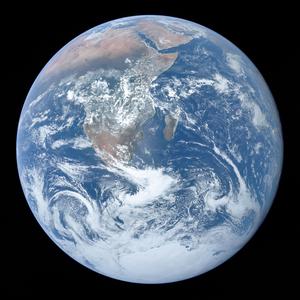
A Terra vista da Apollo 17
Legenda: Imagem completa da Terra registrada em 7 de dezembro de 1972 pela tripulação da nave espacial Apollo 17 a caminho da Lua, a uma distância de cerca de 29.000 quilômetros (18.000 milhas). Ela mostra a África, a Antártida e a Península Arábica.
Crédito: NASA/Tripulação da Apollo 17/Arquivo do Projeto Apollo
License: PD Domínio Público ícones

Vista do Japão à noite a partir da ISS
Legenda: Esta fotografia noturna da Terra foi tirada da Estação Espacial Internacional (ISS) pelo astronauta Scott Kelly em 2015, durante a Expedição 44. Ela mostra o Japão iluminado após o anoitecer, com as luzes brilhantes das cidades delineando os centros urbanos, as principais rodovias e regiões densamente povoadas. A vista da órbita durante a noite destaca como a atividade humana se manifesta como padrões de luz na superfície da Terra, com áreas bem iluminadas contrastando fortemente com a escuridão circundante das regiões rurais e da região oceânica. Fotografias como esta mostram como é a “noite” vista do espaço — não apenas uma ausência de luz solar, mas também um momento em que a luz artificial revela os ritmos da vida humana em todo o planeta. A centenas de quilômetros acima do planeta, o lado noturno da Terra aparece como uma tapeçaria de aglomerados brilhantes e áreas escuras, oferecendo uma visão sobre a distribuição da população, a infraestrutura e como as cidades permanecem ativas muito tempo após o pôr do sol. A órbita baixa da ISS permite que os astronautas capturem essas imagens detalhadas da Terra após o anoitecer, ajudando-nos a apreciar tanto os elementos naturais quanto os humanos da noite em nosso planeta.
Crédito: NASA
link do crédito
License: PD Domínio Público ícones
Atividades relacionadas
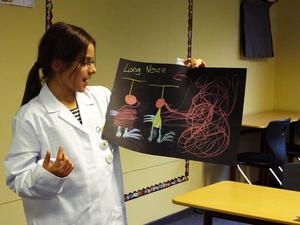
Design Your Alien
astroEDU educational activity (links to astroEDU website) Description: Design an alien life form suited for an extra-terrestrial world.
License: CC-BY-4.0 Creative Commons Attribution 4.0 International (CC BY 4.0) ícones
Tags:
Life
, Environment
, Extra-terrestrial
, Art
, Creativity
, Hands-on
, Alien
Faixas etárias:
8-10
, 10-12
Nível de ensino:
Básico
, Médio
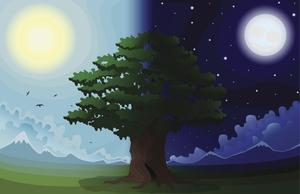
Why Do We Have Day and Night?
astroEDU educational activity (links to astroEDU website) Description: Explore day and night of Earth.
License: CC-BY-4.0 Creative Commons Attribution 4.0 International (CC BY 4.0) ícones
Tags:
Tilt
Faixas etárias:
6-8
, 8-10
, 10-12
Nível de ensino:
Básico
, Médio
Áreas de aprendizagem:
Modelagem
, Com foco em simulação
, Aprendizagem por investigação estruturada
Custos:
Baixo custo
Duração:
1 hour 30 mins
Tamanho do grupo:
Grupo
Habilidades:
Fazer perguntas
, Comunicar informações
Globe at Night Activity Guide
astroEDU educational activity (links to astroEDU website) Description: Learn to observe and record the faintest visible stars to measure the light pollution.
License: CC-BY-4.0 Creative Commons Attribution 4.0 International (CC BY 4.0) ícones
Tags:
Hands-on
, Dark skies
, ecology
, Citizen science
Faixas etárias:
4-6
, 6-8
, 8-10
, 10-12
, 12-14
, 14-16
, 16-19
, 19+
Nível de ensino:
Informal
, Ensino fundamental
, Outro
, Básico
, Médio
, Universidade
Áreas de aprendizagem:
Baseado em observação
, Aprendizagem baseada em projetos
Custos:
Baixo custo
Tamanho do grupo:
Grupo
Habilidades:
Comunicar informações
, Planejar e realizar pesquisas
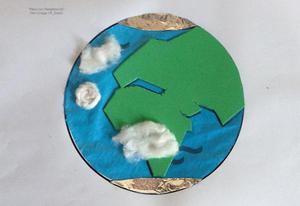
Meet Our Home: Planet Earth
astroEDU educational activity (links to astroEDU website) Description: Explore a tactile version of our home, the Earth, with household materials.
License: CC-BY-4.0 Creative Commons Attribution 4.0 International (CC BY 4.0) ícones
Tags:
Hands-on
, Model
, Visually Impaired
, Tactile
Faixas etárias:
6-8
, 8-10
, 10-12
Nível de ensino:
Ensino fundamental
, Básico
, Médio
Áreas de aprendizagem:
Aula interativa
, Modelagem
Custos:
Baixo custo
Duração:
1 hour 30 mins
Tamanho do grupo:
Grupo
Habilidades:
Analisar e interpretar dados
, Fazer perguntas
, Comunicar informações
, Desenvolver e usar modelos
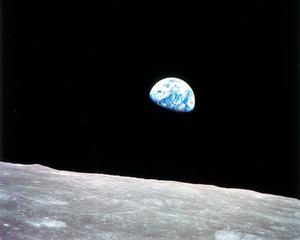
Blue Marble in Empty Space
astroEDU educational activity (links to astroEDU website) Description: Students are taken on a virtual journey to outer space to experience that we live on a tiny planet that floats in a vast and empty space.
License: CC-BY-4.0 Creative Commons Attribution 4.0 International (CC BY 4.0) ícones
Tags:
Life
, Hands-on
, Model
, Scales
, Distances
, ISS
Faixas etárias:
6-8
, 8-10
Nível de ensino:
Básico
, Médio
Áreas de aprendizagem:
Aula interativa
, Modelagem
Custos:
Baixo custo
Duração:
30 mins
Tamanho do grupo:
Grupo
Habilidades:
Fazer perguntas
, Comunicar informações
, Desenvolver e usar modelos